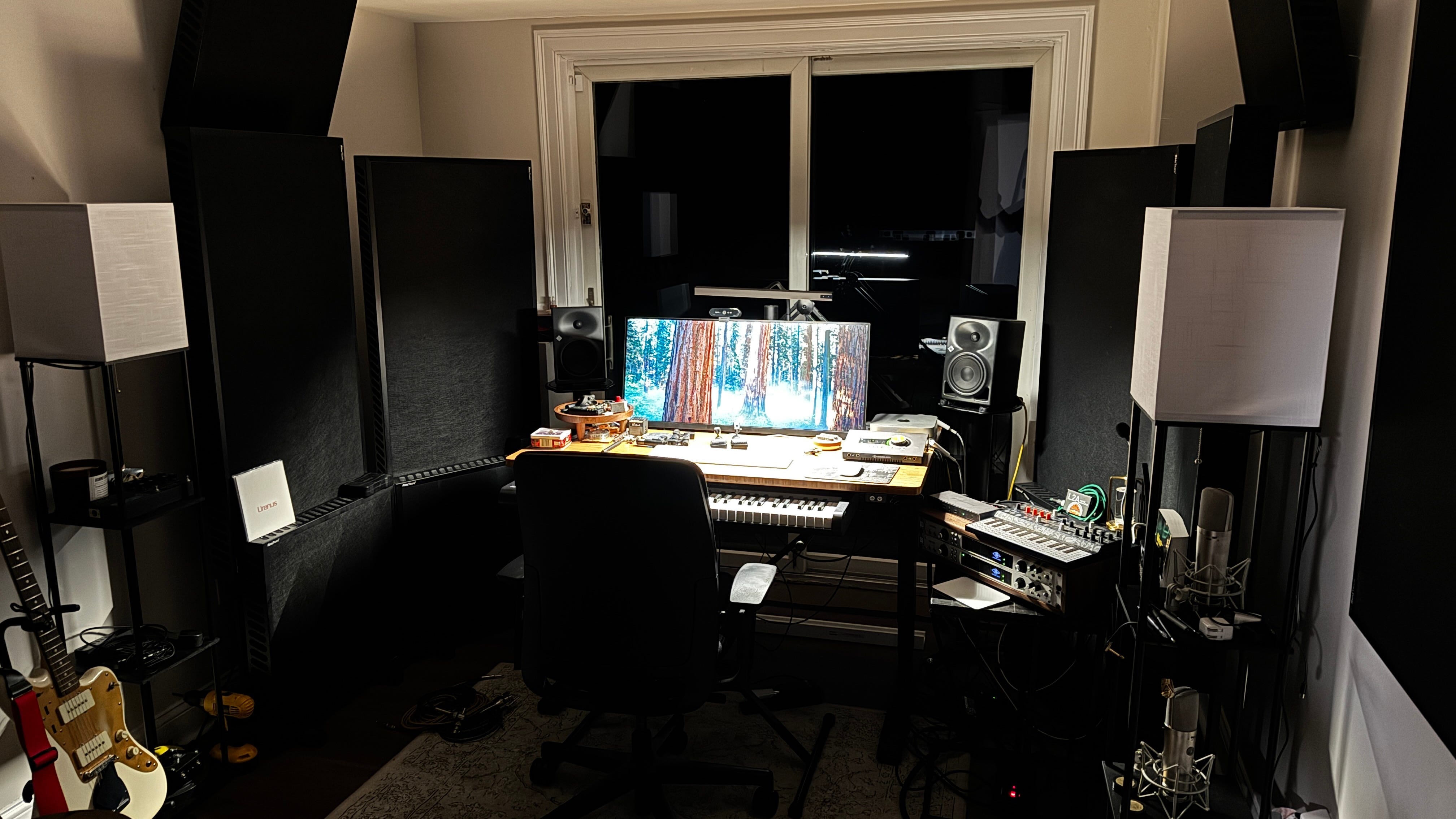
The Room Isn’t Done Yet (And I’m Still Working)
Its been 6 months now since we moved from our former location to a new place with a renewed sense of purpose. Last year, my wife and I made the decision to move closer to our daughter’s school. It was absolutely the right choice, which made it easier but not easy to leave the room I had worked in for a decade. That room wasn’t just where I recorded. It was where I lived. It sat in the basement of a home we had gutted and rebuilt ourselves. When it came time to create the studio, we didn’t cut corners—we hired Lou Clark and Eric Pearce of Sonic Space and Soundwall Construction, the same people responsible for multiple Mix Magazine Class of studios, including Q Division. They measured the space, modeled the acoustics, built traps and hanging panels, installed polycylindrical diffusors, and dialed the room in. For ten years, that room was a joy to work in. Predictable. Consistent. Tuned. Air conditioned.
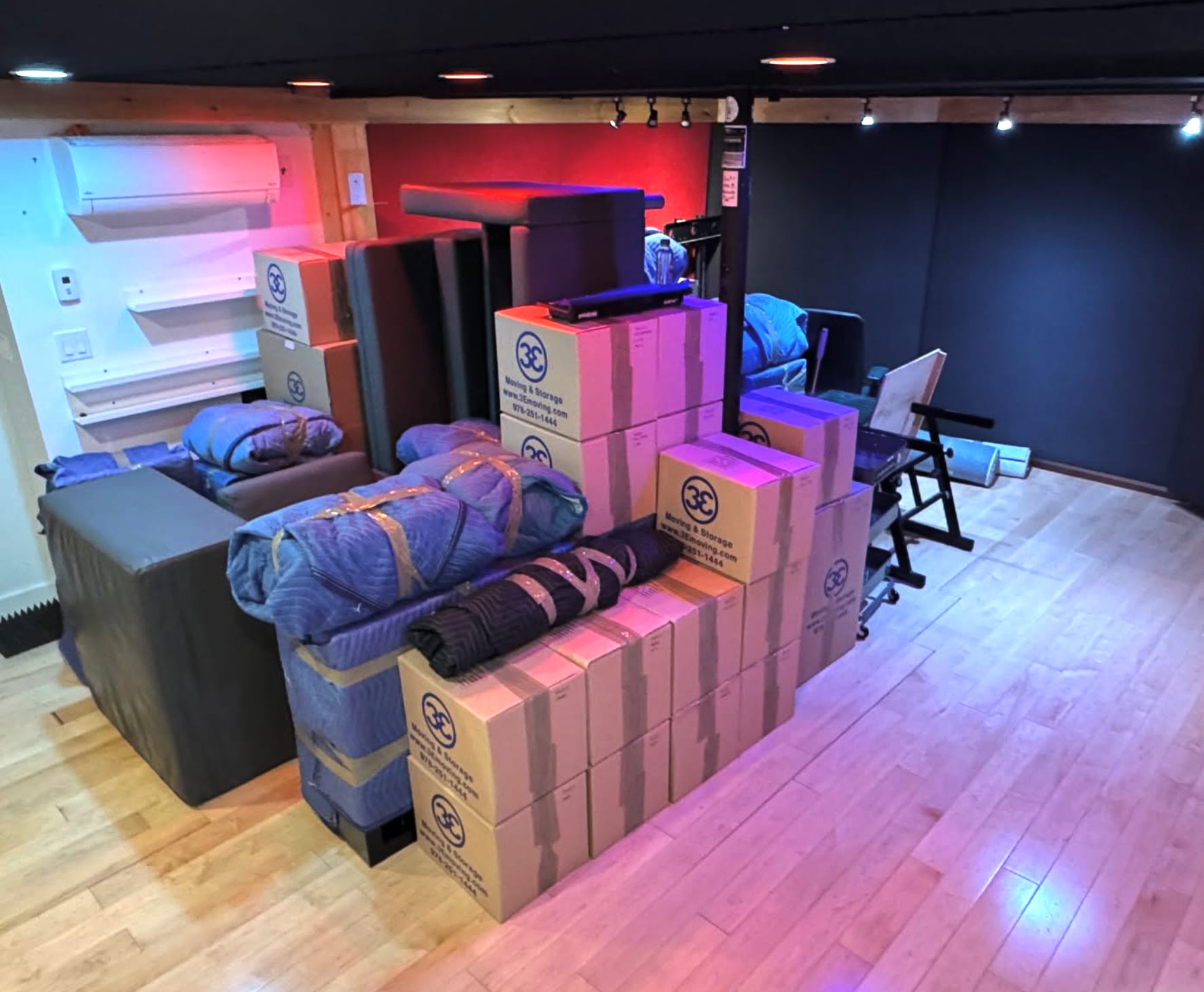
You can intellectualize the move all you want, but when it comes time to break down racks and coil the cables for the last time, there’s a moment where all of that hits you. As I packed, the room emptied and I remembered what had happened inside that space: full band sessions, vocal overdubs, hours of working on songs until they went from good to great. The room had been flexible, generous, reliable. It had a personality. I think I painted it about 4 or 5 times.
And now I was leaving it to go rebuild that from scratch.
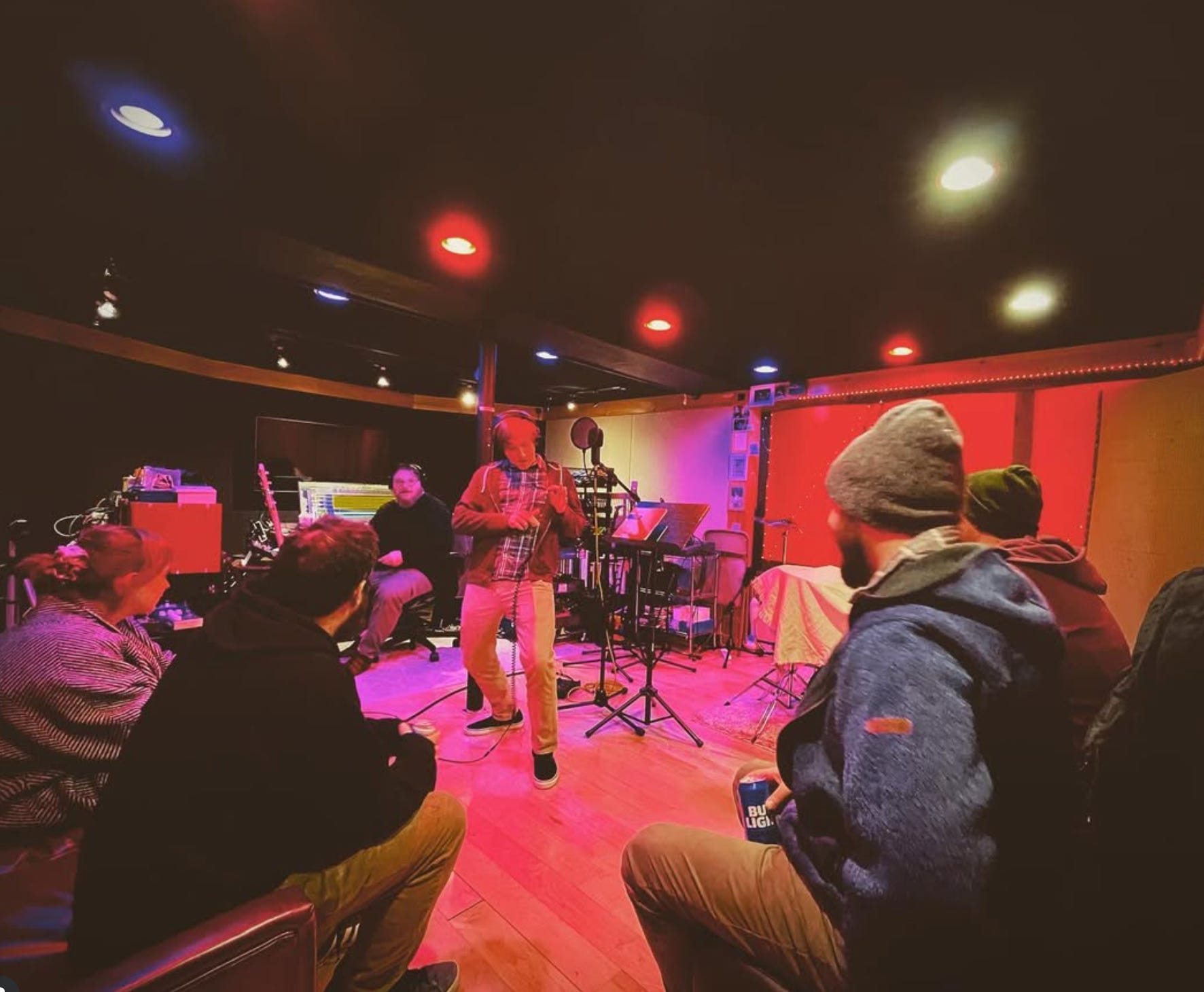
The new place has two rooms to work with. The smaller one—10×12 feet, 8½-foot ceilings, large patio window facing the woods—has a lot of promise, but it needs work. The insulation density is good, but the room still needs trapping to manage the low-end buildup. In my last room, I built a cynderblock , sand reinforced wall to reduce any vibrations and have symmetrical wall material, some predictability. The second room, across the hall, is 12×12 feet with the same ceiling height. It has a doorway to the garage that I’ll block off; the closet will become storage. I treated it with RealTraps and have already tracked drums and strings in there—and they sound fantastic.
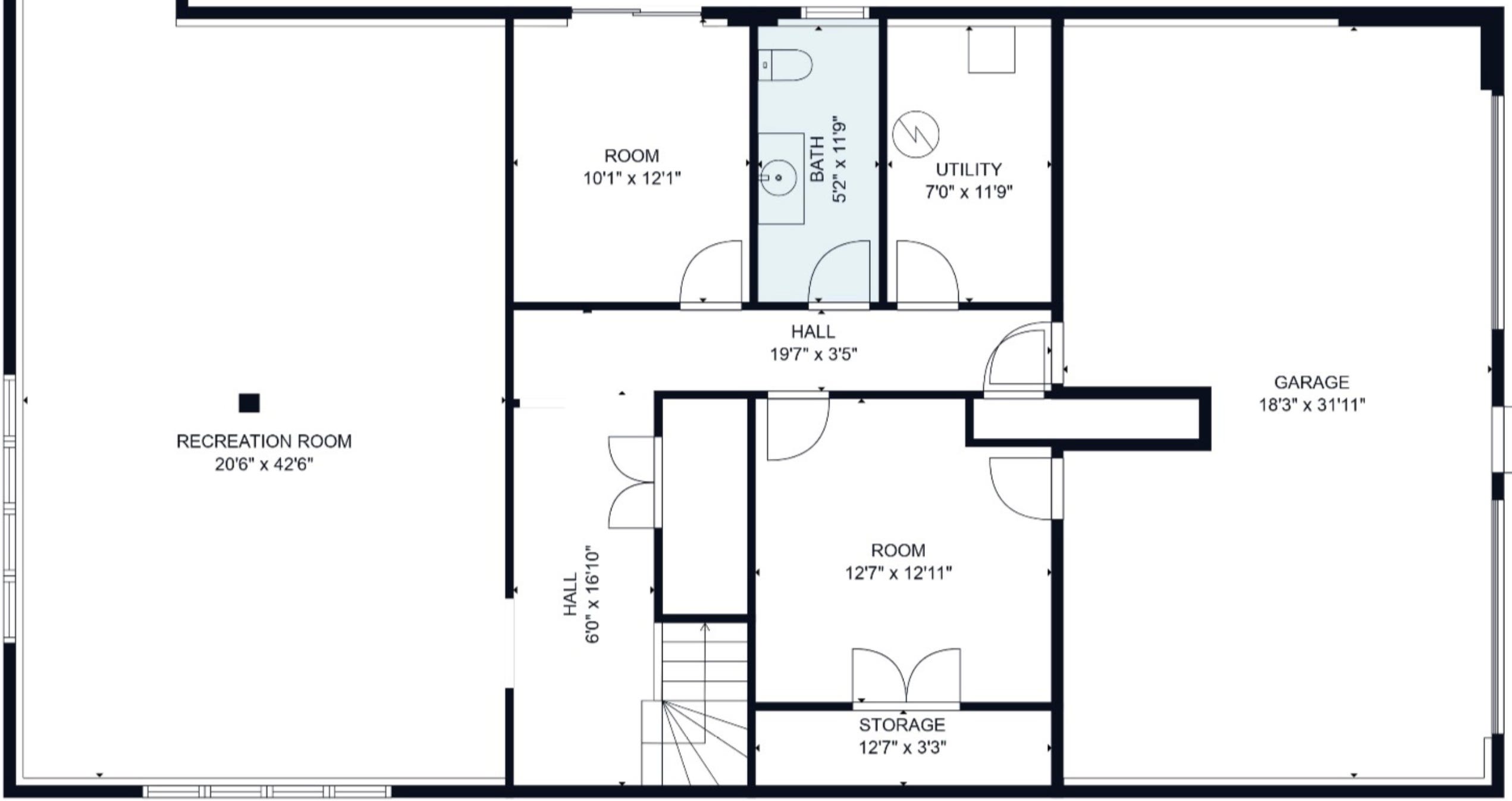
But the real magic is across the hall: the bathroom. Every studio needs a large bathroom.
It’s basically a built-in echo chamber. Put an omni in there while drums are being tracked? Massive. Bigger than anything I captured in the old studio placing mics in the kitchen above the live room. Definitely a super fun room to play with sound.
When I started moving my gear into the room that would be my control room, I started taking acoustic measurements. Room modes, no treatment, and a huge patio window made the room a sonic mess. Everything was fixable, but it wouldn’t be cheap.
Of course theres also the emotional investment - in my old room, I knew exactly how sound behaved. I had thousands of hours in there. I understood its flaws. I knew how to use them. I didn’t have to think. That’s what a good room gives you: the freedom to stop thinking about the room. So losing that muscle memory didn’t feel great. But the opportunity to build something new, knowing what I know now, is absolutely thrilling. I’ve worked in unfamiliar rooms before, I’ve mixed and mastered on headphones, I’ve made records in barns and ADUs. This is not unfamiliar territory.
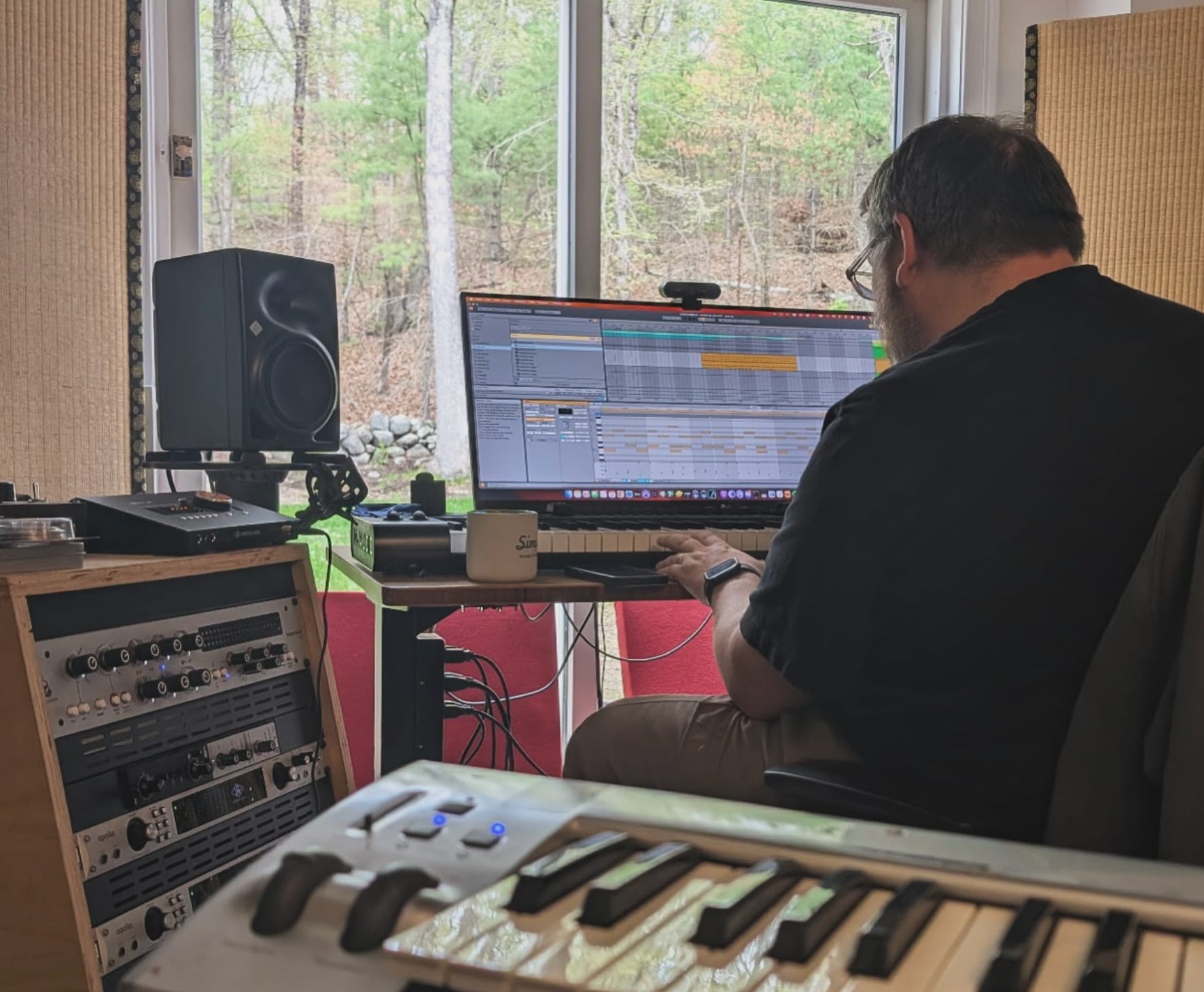
The thing thats made this possible and honestly - bearable - is the community. Especially Dan Fox at Wondersmith Audio, Pat Kenney from Tunneling, and family Rebecca, Ava, and Maple.
Whats different is this time I get to do this on my new terms. The last time, the room was built for me. This time I get to build the room that reflects who I’ve become. I take with me the words and philosophy of the late Mark Rubel, my eternal friend and mentor -
-
Your studio is an extension of yourself. It doesn’t have to look a certain way and should be built to inspire creativity.
-
The studio or workspace should be playful, welcoming, and creative - especially for new or nervous musicians.
-
Environment shapes performance. If musicians feel relaxed and safe, they’ll make better, more honest work.
-
The engineer and studio should nurture the local music ecosystem. (To quote my favorite Oblique Strategies card: “Gardening, not Architecture”)
-
Collaboration is our creative identity. Helping others realize their artistic identity is the ultimate goal for me. It is one of the most fulfilling parts of getting to do this work, year after year.

So as the months have rolled on, I’ve put up treatment and reconfigured rooms - I’ve put mics up in the bathroom and kept only what we need for furniture. I’ve invested more in microphones and gobos. I’ve hosted about 20 sessions here so far and the snags are less and less. Find an issue, evaluate it, adjust. Slowly, the room becomes more familiar, theres more songs written and edited, theres more happiness and joy. I just wanted to document this today.