When the Mistake is the Magic
I’ve been building an archive of the last 15 years of my work. Hundreds of sessions, mixes, stems, photos, scribbled track sheets. Everything from DIY singles to full-length records. Its been a while since I did something like this and whats most surprising to me is the way I used to think.
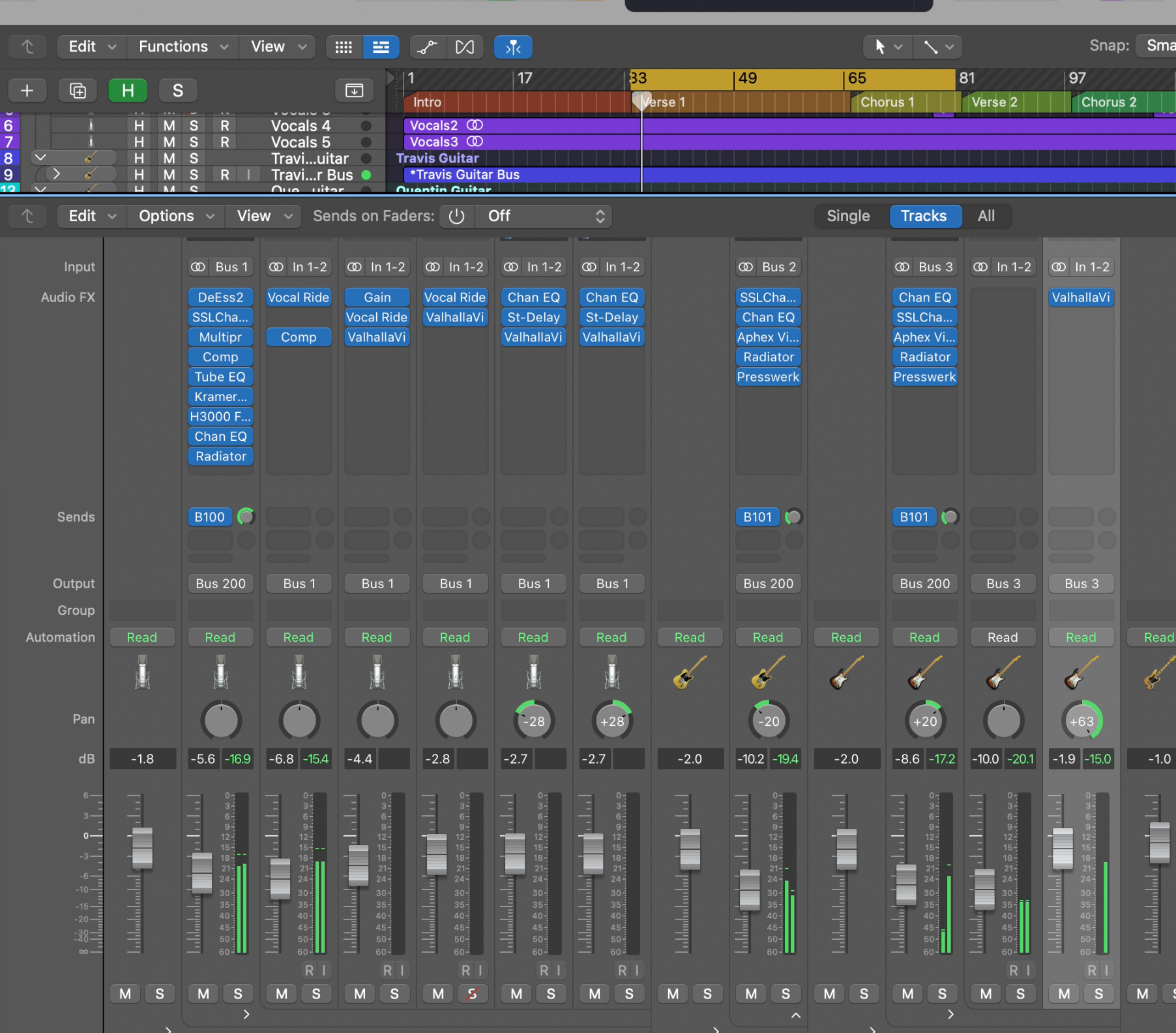
There are sessions from eight or nine years ago where every channel has Waves NLS on it. I subscribed to the thought that if I didn’t simulate an entire console end-to-end, the mix would suffer. Now looking back this was a misdirected belief that authenticity was something you achieved by replicating the process of someone else. I should have known better. (I know WAY better now…)
And then there are the other sessions where I was chasing something I couldn’t name yet. Running guitars through a Yamaha Natural Sound home stereo because it distorted in a way an amplifier couldn’t. Miking a tiny practice amp fifty feet away in a backyard for a chorus because it needed the feeling of distance. Recording drums outside. Banjos in closets. Vocals in an empty grain silo. I am not saying any of this was silly, it was incredibly vital because it just felt GOOD.
Looking through the archive, I realized something:
A huge percentage of the work I’m proudest of came from things I wasn’t sure would work.
“Bad ideas” or doing it wrong or whatever you want to call it sometimes resulted in very cool tones or inspired a personal culture of not thinking to hard about the technique and more about the result.
In recording and mixing, we talk about “mistakes” like they’re failures to control the outcome:
A bad vocal take
Overloading room mics
A guitar that slowly goes out of tune
An arrangement that makes no logical sense but sounds cool
Sound bleeding into other mics on purpose or not
You know when its good because you intuitively know to let it ride and get out of the way.
By the way, if you’re into great mistakes I would seek out a copy of Recording Unhinged by Sylvia Massy, no matter what level you’re at.
