GRAMMY U Season: Why Mentorship Matters More Than Ever
Hey y’all — it’s GRAMMY U season!
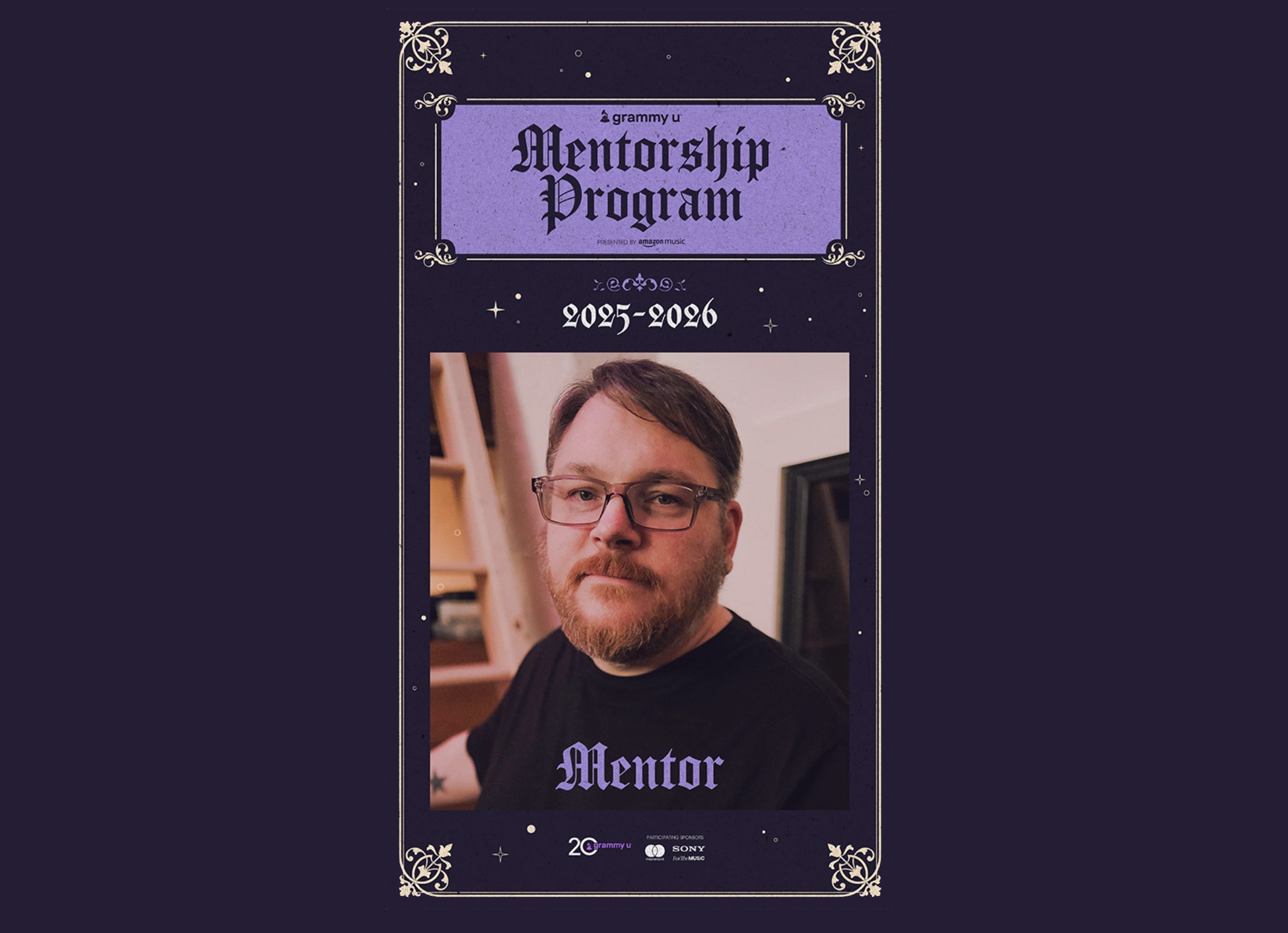
If you haven’t heard of it, GRAMMY U is the Recording Academy’s student membership program. Every year around this time, the organization starts recruiting, onboarding, and pairing students with working professionals for mentorship and educational events.
It’s a busy and exciting stretch. Chapters across the country — Boston, New York, Nashville, Los Angeles, and more — host panels, workshops, studio tours, and networking events leading up to GRAMMY Week. Students get connected with producers, engineers, artists, and executives for focused eight to twelve-week mentorship sessions.
It’s also when you’ll see a lot of posts from people like me sharing stories about mentoring. I’m proud to be part of it again this year. But I think it’s worth stopping for a minute to talk about what mentorship really means in the music industry — and what makes it valuable.
What a Mentor Actually Is
A mentor isn’t a guru, influencer, or life coach. They’re someone who has lived through the process you’re trying to understand and can help you see around corners you didn’t know existed. They help you navigate a path you’re already walking.
You might have one mentor or many over time. Some don’t even realize they’re mentoring you — sometimes you learn the most just by watching how someone handles a challenge or communicates under pressure.
If someone gives you their time, attention, or perspective, that’s not something to take lightly. In an industry where everyone’s busy trying to stay afloat, that kind of generosity is rare. The most valuable thing a mentor gives you isn’t information — it’s orientation. Many mentors in my life have been a compass thats helped me find direction in my work.
What Mentors Really Do
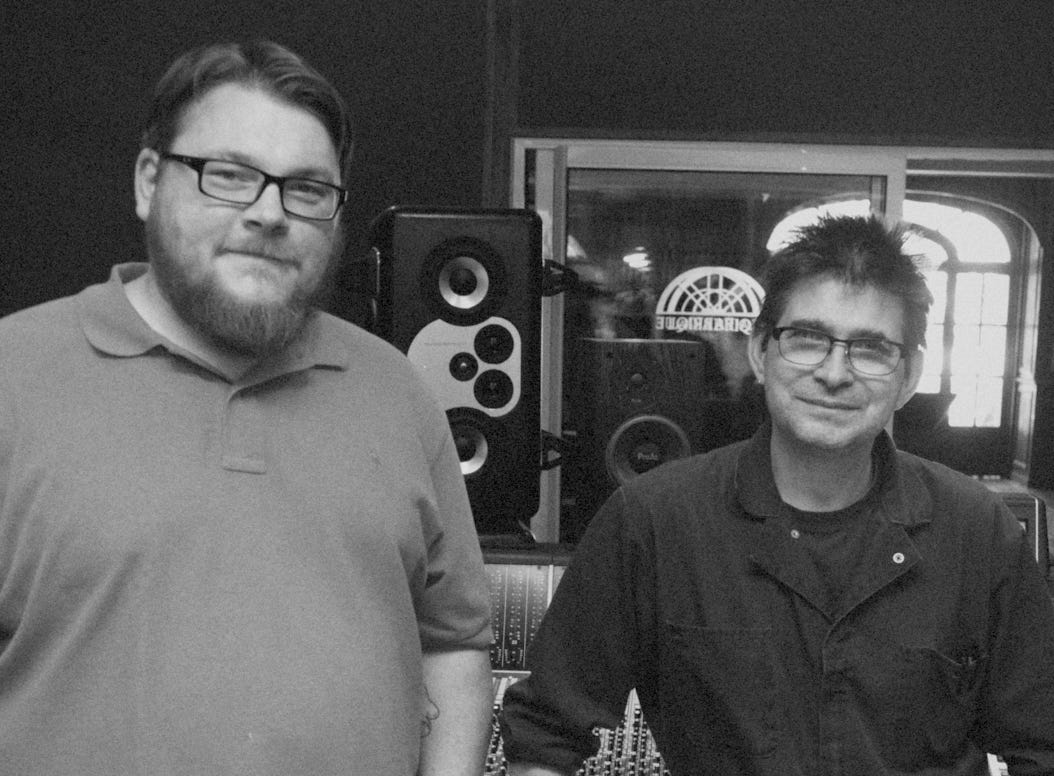
Mentors do more than let you into their workspace and the intent behind their philosophies.
They connect you with peers and open doors that might otherwise stay closed. They can introduce you to the right producer, the right artist, or sometimes just the right moment that moves your career forward. They also teach you how to think — how to analyze your decisions, handle rejection, and see the long game.
The best mentors don’t hand you answers. They ask better questions than you do.
And good mentors protect their communities. If you’re invited into one of those spaces, understand that trust is part of the deal. Your job isn’t to impress; it’s to listen, contribute, and show up with integrity.
Some Things I’ve Helped My Mentees With
Here’s what mentorship often looks like in practice — not as theory, but in the work:
-
Understanding how to get hired more often and where those opportunities actually come from
-
Finding collaborators or a community of people who elevate your work and push you to grow
-
Communicating intent clearly when reaching out to people you want to work with
-
Refining your social media presence so it reflects who you are right now, not who you were two years ago
-
Using hashtags and platform tools strategically, not randomly
-
Building confidence when collaborating and learning how to bring value to every session
-
Choosing software and hardware that genuinely improves your workflow and results
-
Finding new clients without feeling like you’re begging for attention
-
Developing a repeatable engineering or mixing process that saves time and mental energy
-
Recognizing where artists are in their creative or release cycle just by reading how they post online
-
Getting your tax and accounting practices in order so your business doesn’t fall apart when things get busy
-
Learning to critically listen to recordings, spot patterns, and “see inside” a mix
-
Developing a framework for mix critique — both giving and receiving feedback
-
Using platforms like TikTok and YouTube strategically to build genuine followers and drive growth on other channels
Mentorship isn’t about shortcuts. It’s about context. It’s learning the difference between what works and what’s working right now for you.

Why Mentorship Matters Right Now
The modern music landscape is overflowing with misinformation. The internet has made knowledge accessible, but not always accurate.
Even some of the most experienced engineers are still learning how to adapt to new workflows, tools, and distribution formats in real time. Meanwhile, students are trying to learn these same skills through YouTube videos made by hobbyists with limited experience. The result is a strange paradox: information is everywhere, but wisdom is scarce.
Mentorship helps close that gap. A mentor can say, “That technique works, but do you know why?” or “That’s clever, but you might paint yourself into a corner later.” They teach discernment, something no algorithm can filter for.
There’s also a layer of accountability. I sometimes run tough emails or proposals by my mentors before I send them. It’s not about seeking permission; it’s about seeking perspective. I am lucky to have these relationships with people who are generous with their time and its provided a prime example to me of what kind of person I want to be in this line of work.
Changing the Present to Change the Future
Representation in this field is still deeply uneven. And most of the available data doesn’t even count freelancers, who make up the majority of working professionals in music. The quickest way to move those numbers isn’t by writing another report — it’s by hiring, mentoring, and creating access for people who’ve been left out of the conversation.
Inclusivity has to start early. Access to training, entrepreneurial skills, and professional networks ensures the next generation of creators actually looks like the world we live in.
Mentorship is one of the most effective tools we have to counter systemic inequality in the arts. It’s not charity. It’s infrastructure.
I also believe that people who look like me — white men, particularly those who’ve built stability in this industry — need to take a more active role in lifting others up. Not performatively, not as optics, but as a responsibility. The goal isn’t to protect your own space; it’s to expand the room so more voices can be heard.
This industry is already volatile. Even the most “successful” people are one bad quarter away from struggle. The only way we make it sustainable is by building systems of mutual support.
Closing Thought
Mentorship is more important now that it has ever been in the last 30 years.
It’s how we separate noise from value, protect emerging voices, and remind each other that no one builds a creative life alone.
If you’ve learned something worth sharing, teach it. If you need guidance, ask for it.
And if you’re lucky enough to be in a position to do both, that’s where the real work begins.
