I Want My (Old) MTV
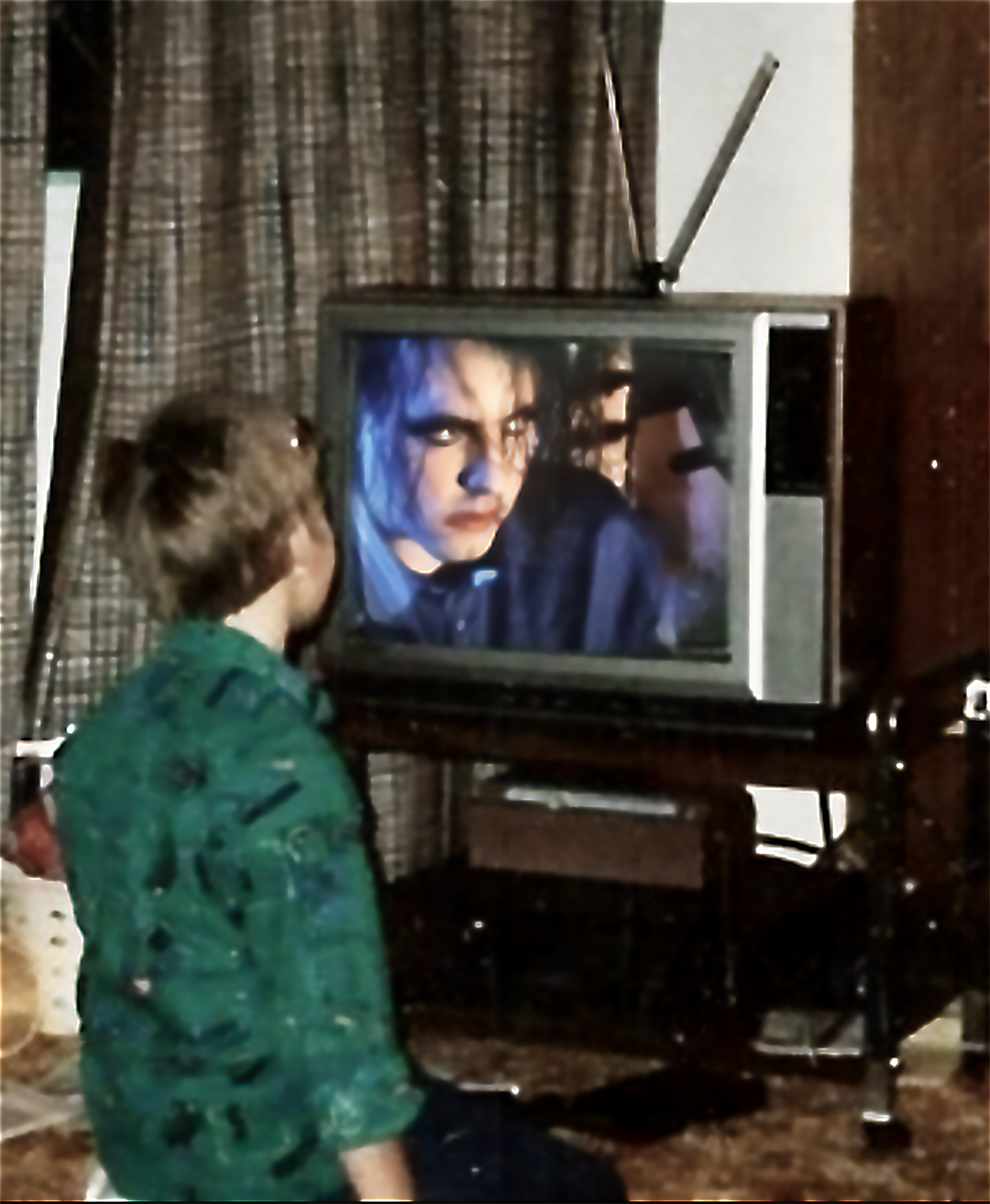
Yes, that is me watching MTV in 1989.
MTV has ended its 44-year run as a cultural mirror for youth culture, for better or worse. I came here to both bury and praise it. The network gave music a global platform, entertained my friends and me for countless hours, and at its best brought politics, identity, conflict, and art into focus. I grew up in a house that loved music and movies, so when cable arrived, MTV felt like a portal. Before that I stayed up late for “Friday Night Videos,” watching Billy Ocean, Exposé, and Kim Wilde. Some videos were little more than stylized performance, but a few were unsettling and hypnotic. The combination of sound and image felt like a new language. To our parents it looked corrupting. To me it was an emerging art form, even if I did not yet have the vocabulary for it. By the mid-80s I was fully immersed, and MTV became one of the reasons I wanted to study the arts. I was a disciple.
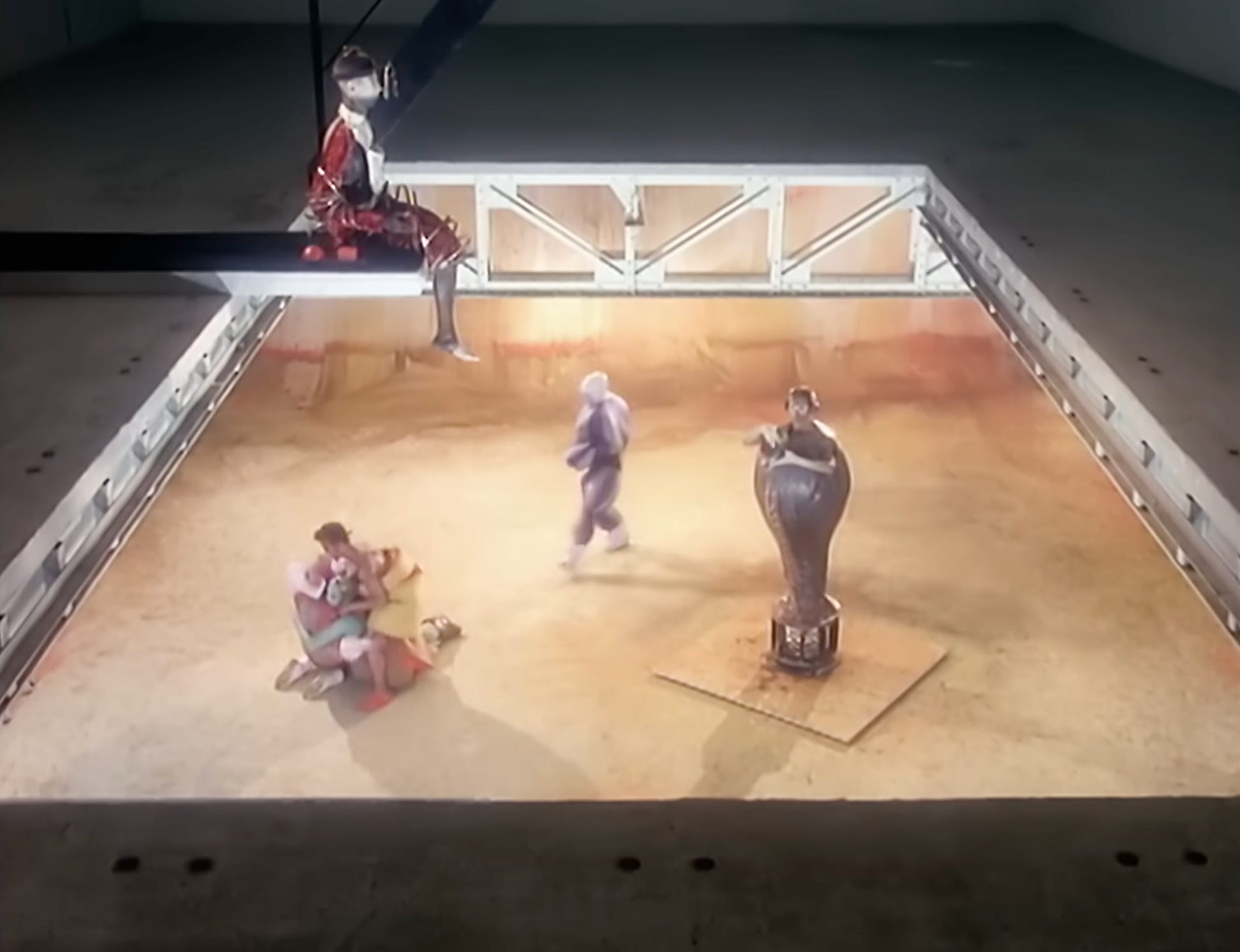
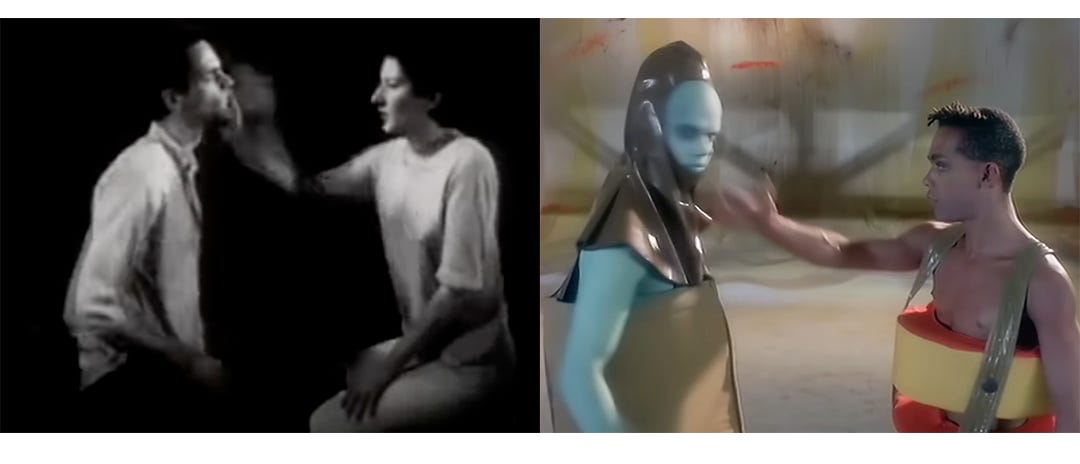
The video that changed everything for me was “True Faith” by New Order. I had seen surreal imagery before, but nothing that strange, physical, and theatrical. The song’s electronic tension paired with those movements felt alien and magnetic. Years later, a conversation with my high school drama teacher gave it context. The images drew on performance art and Dada. Director Philippe Decouflé was referencing works like Marina Abramović and Ulay’s “Light/Dark” and Oskar Schlemmer’s “Triadic Ballet.” Without realizing it, I was being introduced to European avant-garde art history through basic cable.
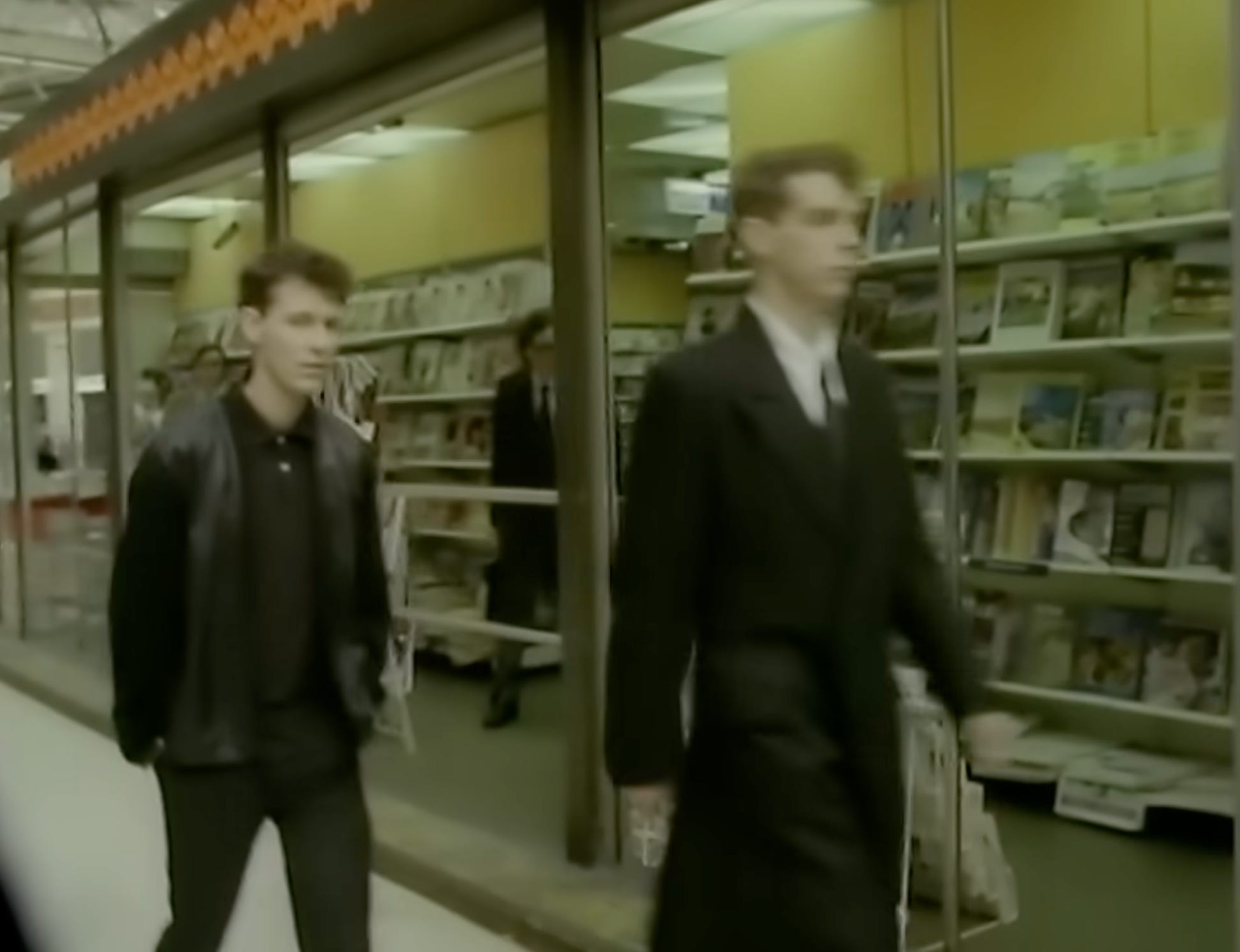
Over time, MTV created long stretches of programming that cycled through rock and rap videos, sometimes shallow, sometimes ambitious. Videos evolved from filmed performance into a recurring site of experimentation. “Lovesong” by The Cure used emotional restraint as visual language. “West End Girls” by Pet Shop Boys treated the city as mood, class, and architecture. Detachment became intentional style. The camera drifted through faces and public spaces, and the images suggested meaning without explaining it. Those aesthetics shaped how I thought about art and culture.
While parents and politicians worried about attention spans and moral decline, the channel was quietly teaching visual ethics, symbolism, and worldview, especially through artists outside the United States. For many of us, MTV functioned as accidental art school. “Yo! MTV Raps” made hip-hop central to American music consciousness and introduced regional identities to suburban audiences who rarely saw Black artistic expression without distortion or fear. It might have been imperfect, but it mattered.
Late-night MTV felt like another realm entirely. “Beavis and Butt-Head,” “Liquid Television,” and “Aeon Flux” exposed viewers to experimental animation and surreal storytelling. It normalized strangeness. The Jim Rose Circus Sideshow is a good example of fringe culture suddenly broadcast to millions of teenagers who had never encountered anything like it. The early seasons of The Real World extended that sense of exposure. Viewers saw queer identity, AIDS, illness, class tension, and race presented as lived reality rather than moral instruction. Pedro Zamora changed how many people understood love, activism, and stigma. MTV had become a machine for empathy as much as a music channel.
Eventually, that version of MTV disappeared. It did not feel like aging out. It felt structural. The network shifted from curiosity and subcultural exploration toward market logic. TRL marked the turning point. The countdown format turned music into competitive spectacle, and the experience became about visibility and emotional display rather than interpretation. Pop stars were presented less as artists and more as managed identities, with images functioning as extensions of marketing rather than conversation with the music.
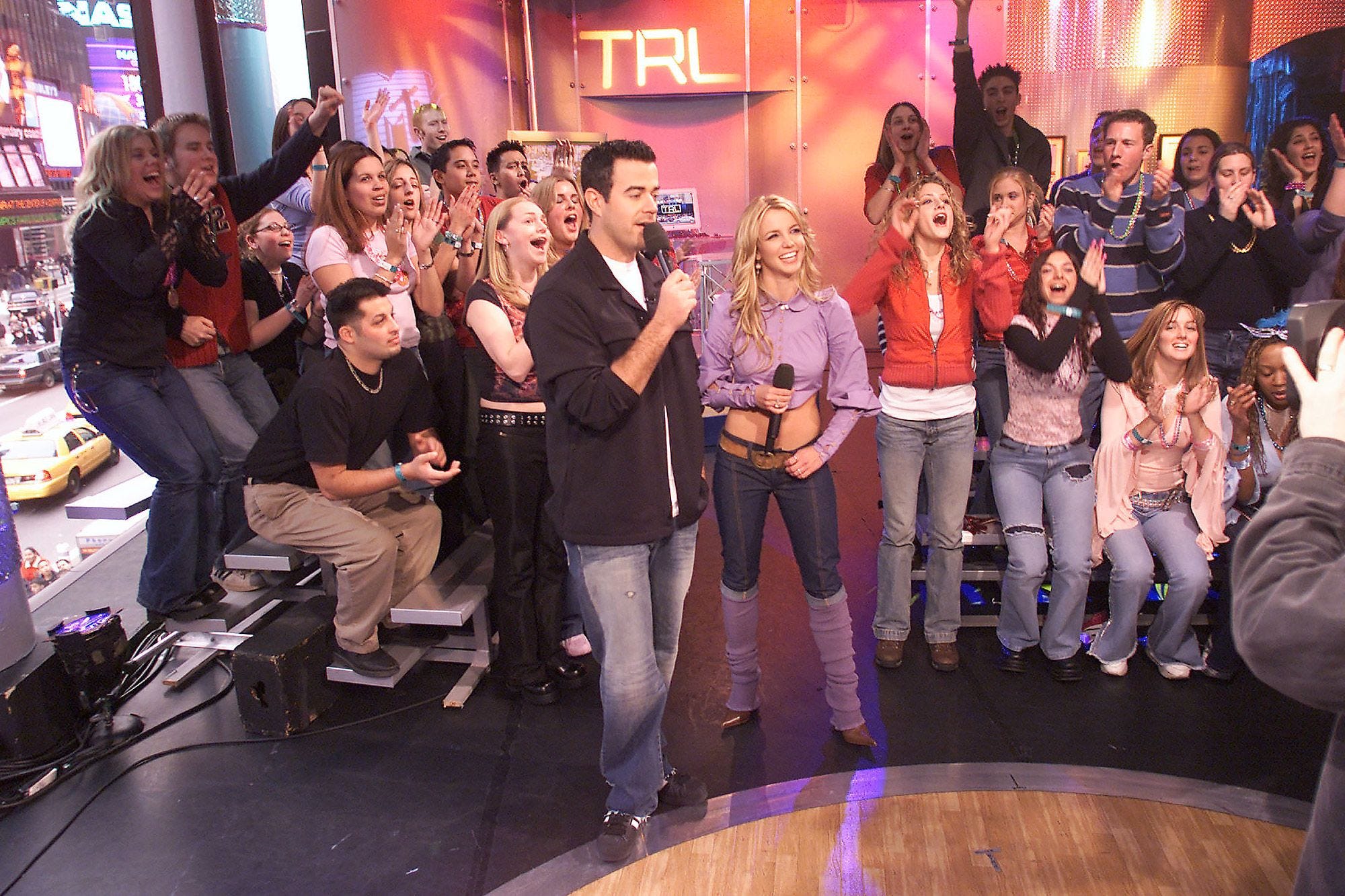
The Pop Industrial Complex soon stepped into full view. Labels engineered moments and presented them as organic cultural events, and MTV amplified them. The rise of the Spice Girls was built on a designed identity system packaged as movement. TRL-era boy band “fan frenzy” cycles replicated that logic through coordinated promotion that appeared democratic while operating inside a closed feedback loop. Hip-hop entered that event economy as well, particularly in the P. Diddy era, where releases arrived as pre-assembled narratives supported by synchronized media saturation. Attempts to apply the same structure to post-grunge exposed what happens when the performance of cultural energy replaces the underlying movement. At the same time, artists like Radiohead resisted participation in that spectacle economy, which limited MTV’s ability to convert them into another manufactured moment.
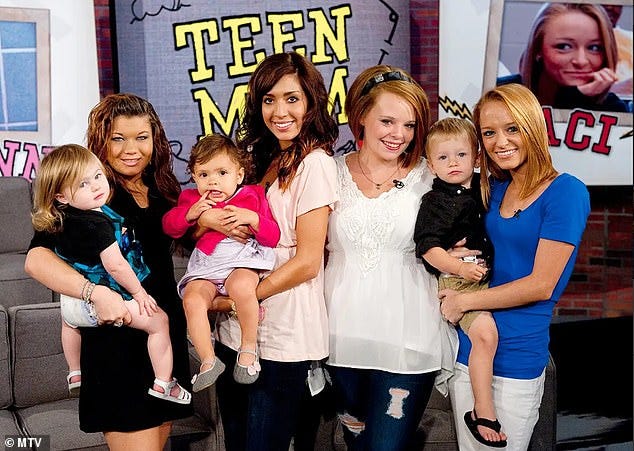
By the time reality programming dominated the schedule, eventually reaching the Jersey Shore era, the logic had fully inverted. Early reality sometimes retained an observational quality. The later model treated reaction itself as the product. People flattened into characters. Archetypes replaced ambiguity. MTV stopped reflecting culture and began producing it.
What people describe as aging out felt instead like mourning the loss of uncertainty and interpretation. Early MTV created conditions for discovery. Over time, the emotional arc shifted from wonder to irony to consumption. Viewers were no longer invited to think through what they were seeing. They were directed toward response.
Looking back, early MTV made music stranger, larger, and riskier than radio ever could. It provided a visual language for cultural change that had not existed before. The later version did not simply decline. It reflected a broader shift away from art as inquiry and toward branding as infrastructure. Eventually it fragmented into a few residual music channels buried in streaming lineups. The unsettling truth was not that I grew up. The medium changed, and with it the possibilities for what music and image were allowed to be.
Thanks for reading this and if you enjoyed it please consider subscribing or buying me a coffee!
