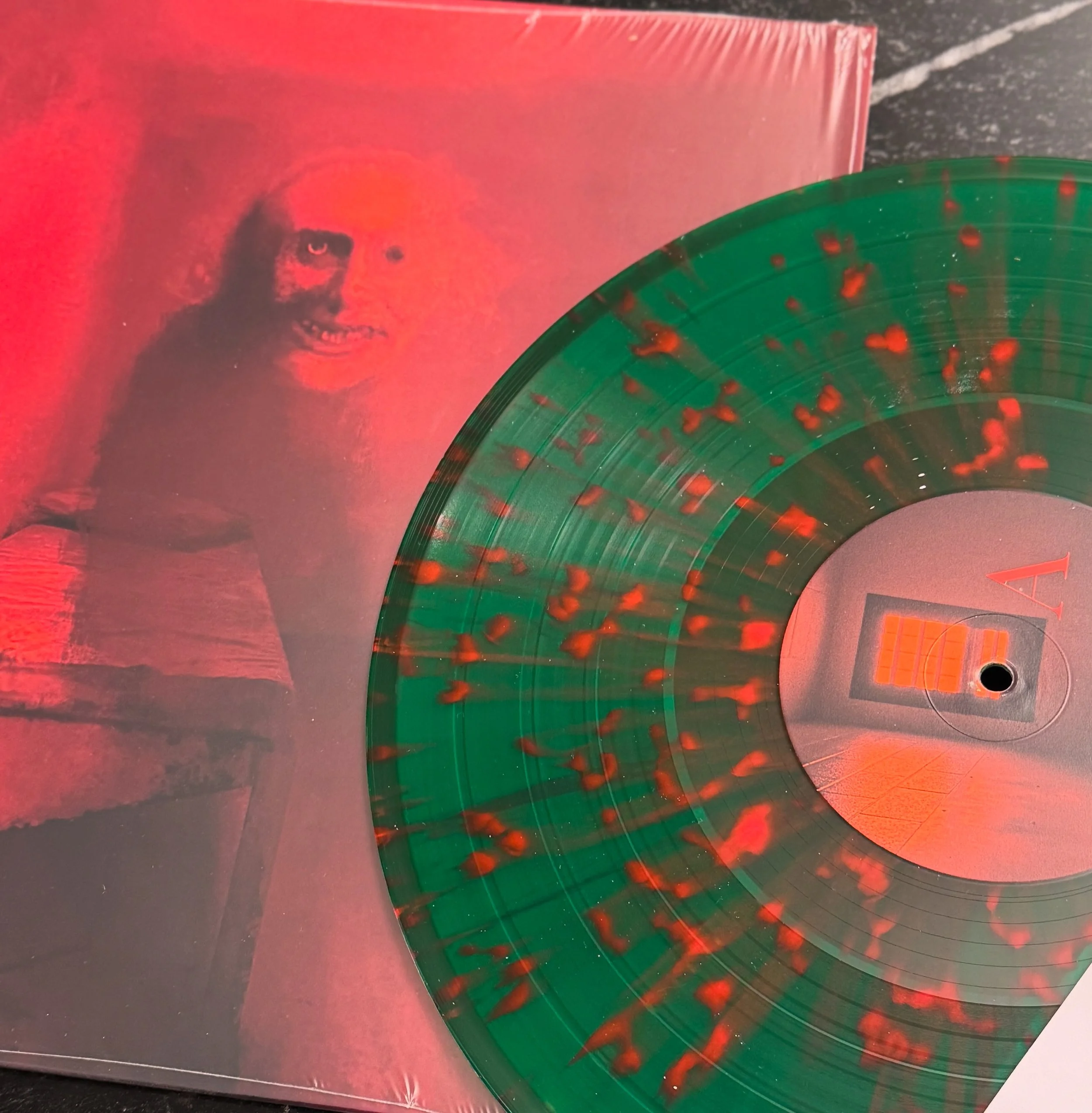
Mastering Built for the Format
Vinyl and cassette aren't just distribution formats - they're listening experiences. We master specifically for each, so your record sounds the way it was meant to.

CRIPPLING ALCOHOLISM - MASTER FOR VINYL

CRIPPLING ALCOHOLISM - MASTER FOR VINYL
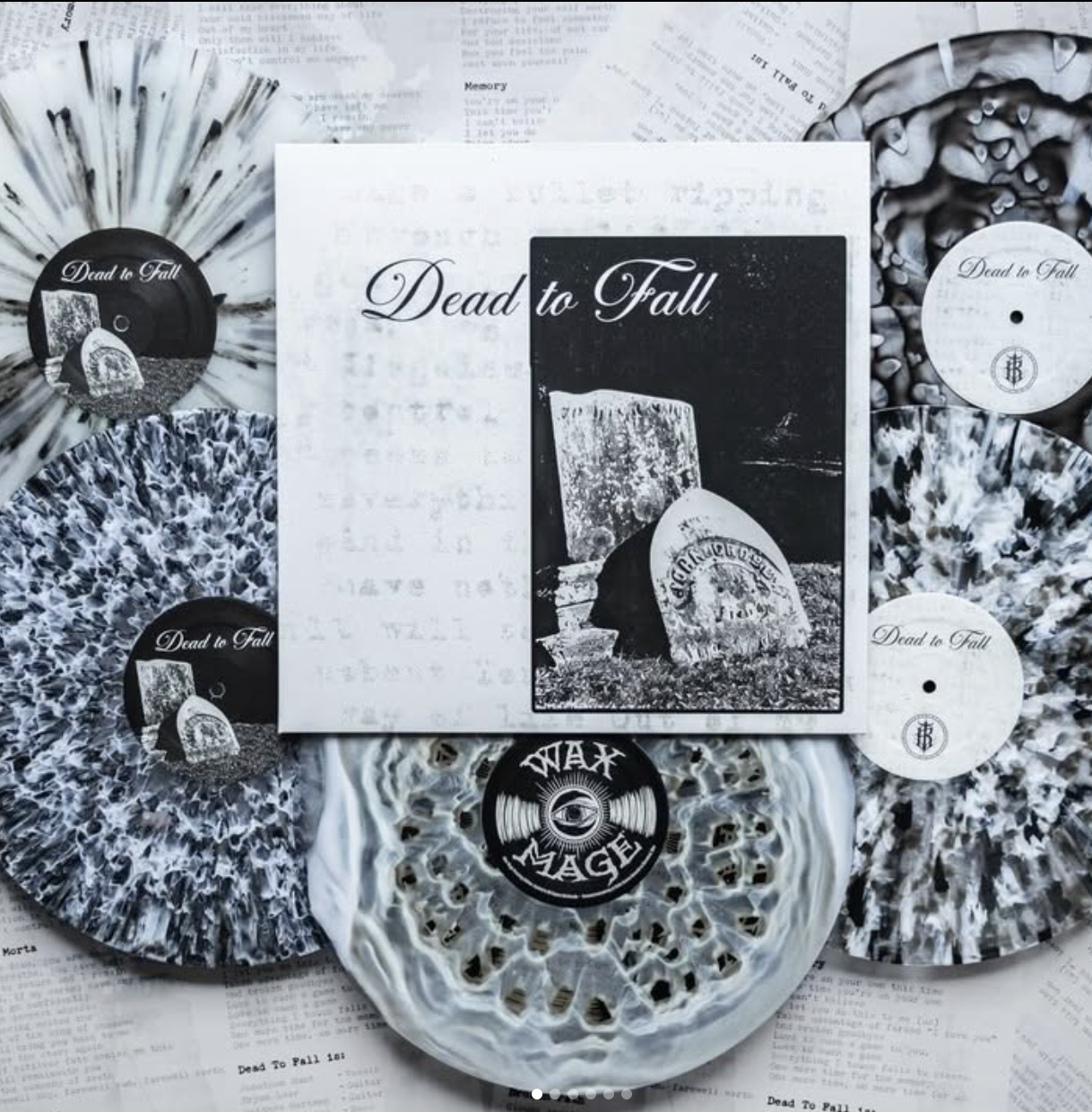
DEAD TO FALL - REMIX AND REMASTER FOR VINYL
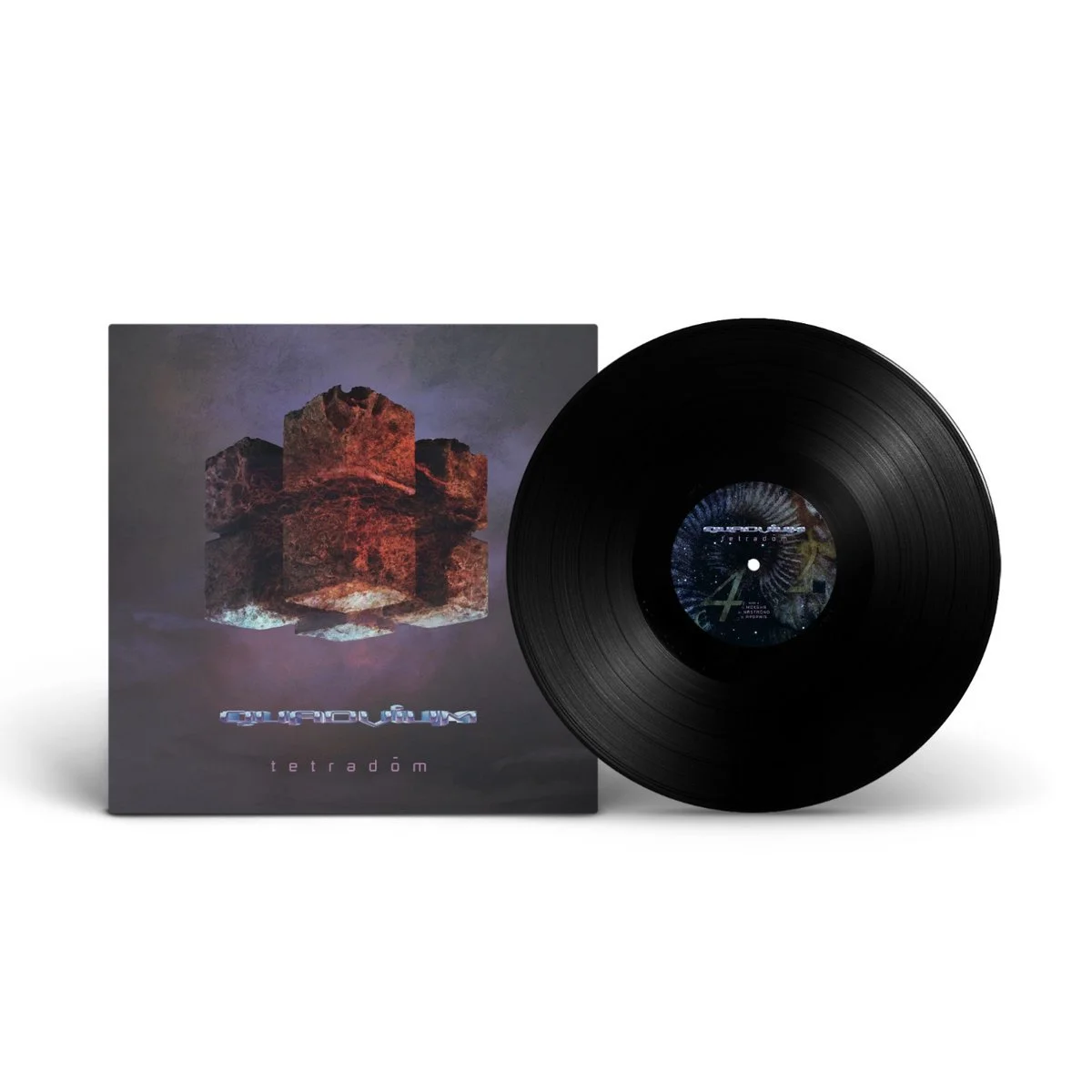
QUADVIUM - MASTER FOR VINYL
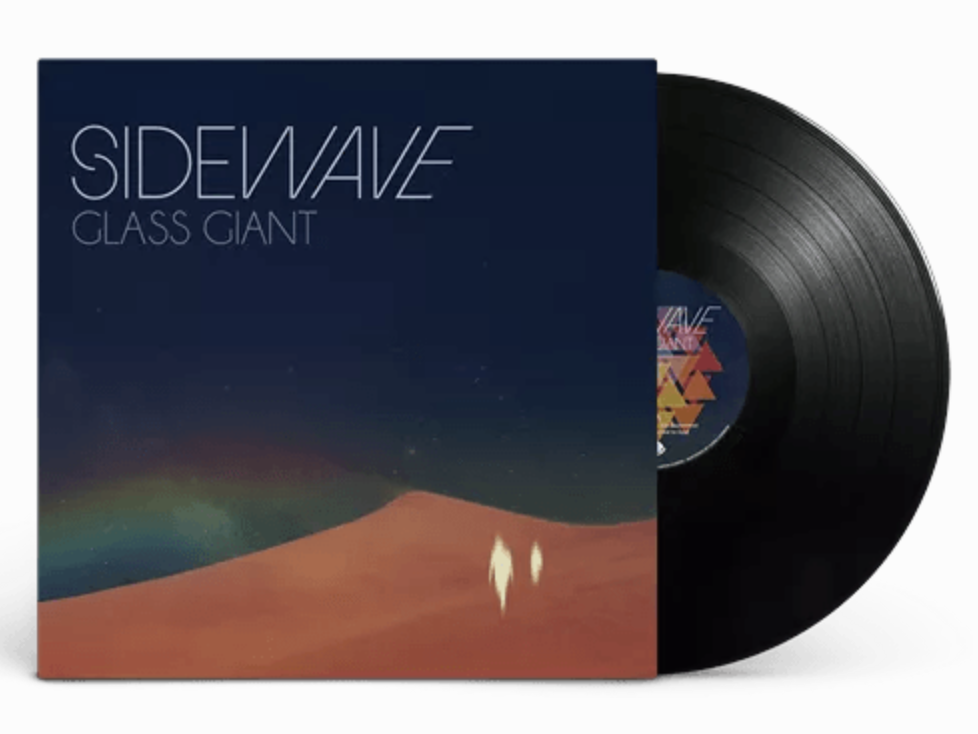
SIDEWAVE - MASTER FOR VINYL
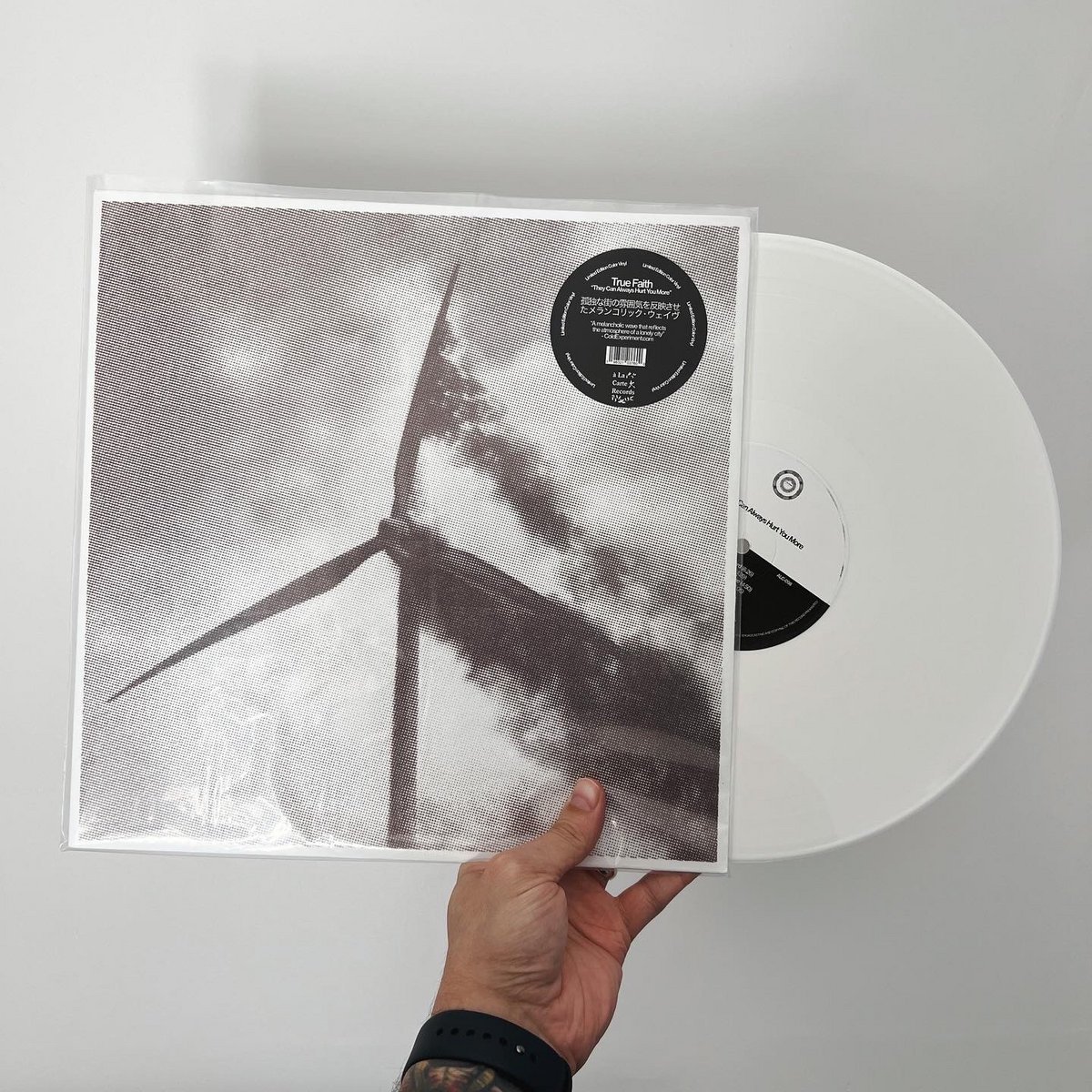
TRUE FAITH - PRODUCED, MIXED, and MASTERED FOR VINYL
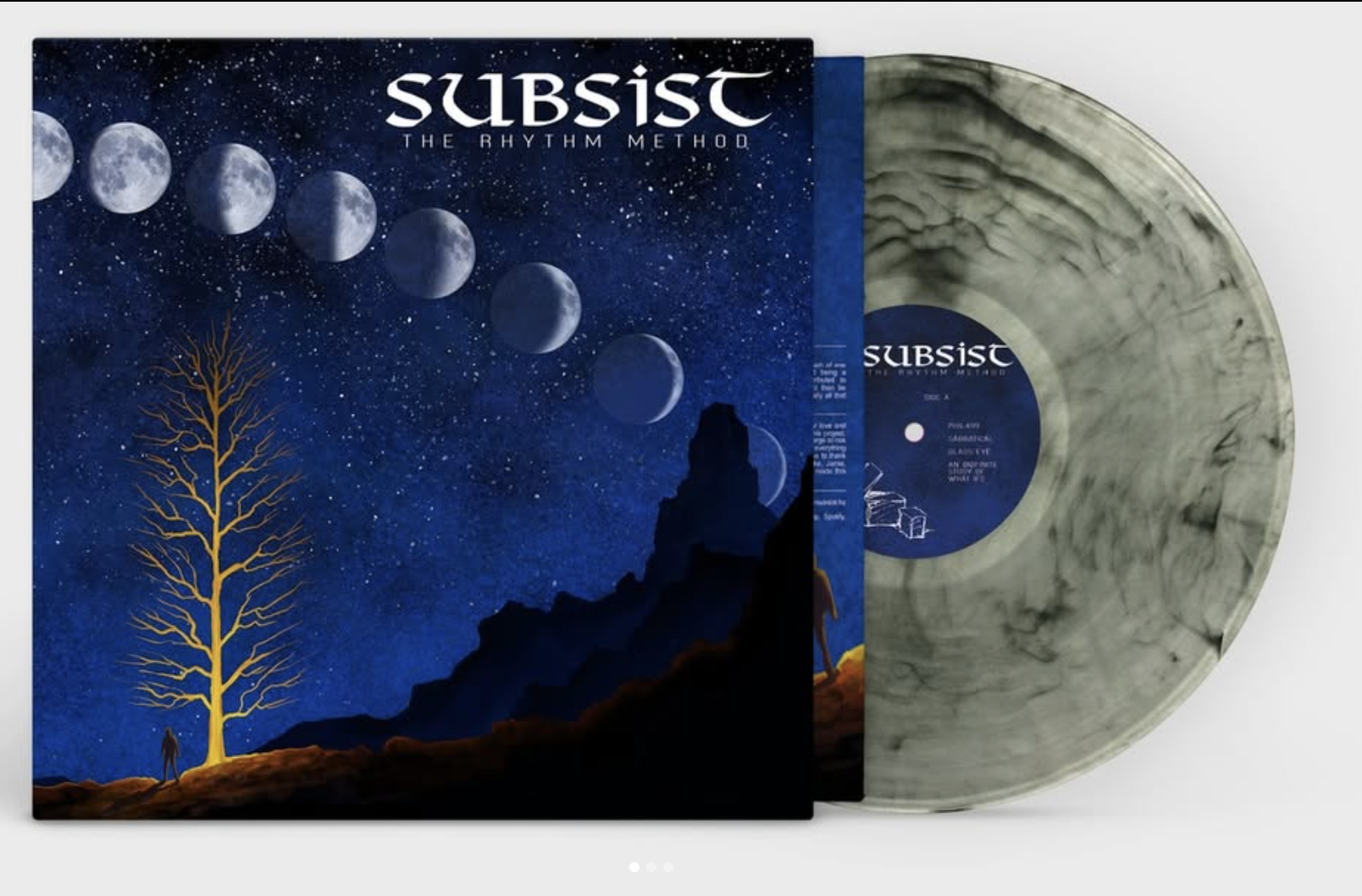
SUBSIST - REMIXED AND REMASTERED FOR VINYL
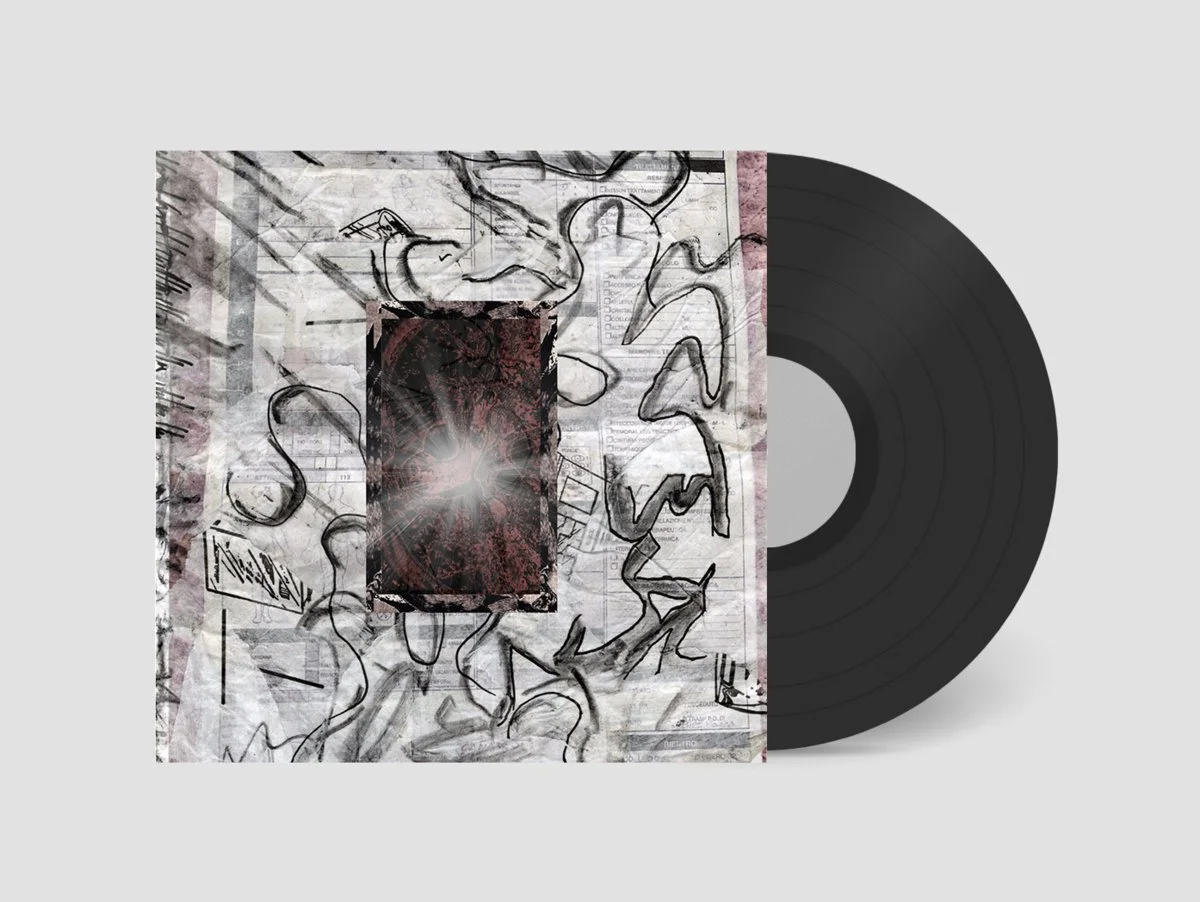
WYN DORAN AND THE WHITE LIGHT - MASTER FOR VINYL

MOHAMMED AND THE SPRING - MASTER FOR VINYL
Most mastering sessions are built around streaming and digital files.
Vinyl and cassette demand something different. Each format has its own physics, its own limitations, and its own character — and working with those constraints is where the real craft is.
At Quiethouse Recording, format-specific mastering isn't an add-on.
It's the whole job.
Vinyl Mastering
Getting a record to play back correctly on a turntable is more than turning the volume up and sending a file to the plant. We master with the cutting lathe in mind — shaping the low end to stay mono where it needs to, pulling back the sibilance that causes mistracking, and preserving the dynamics that make vinyl worth listening to in the first place.
What's included:
Full lacquer-prep mastering session
RIAA curve-corrected low-frequency control
High-frequency treatment to prevent skipping and distortion
Side-by-side level and sequencing for A and B sides
Side length consultation (we'll flag anything that risks cutting issues)
DDP or WAV masters formatted to your plant's specifications
Reference files for approval before submission
Cassette Mastering
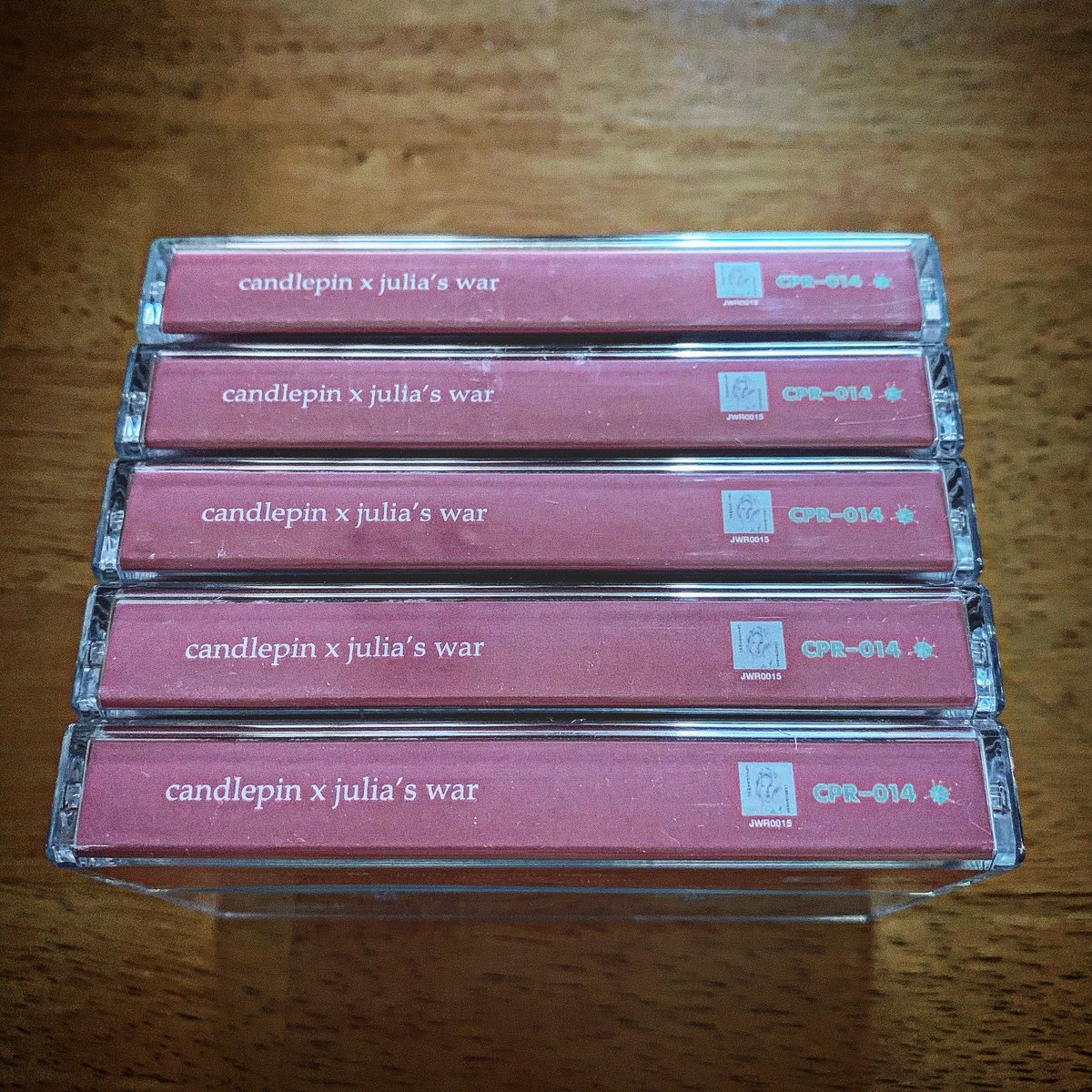
Cassette has a sound — warm, slightly compressed, with a noise floor that's become part of the aesthetic. Good cassette mastering works with that character rather than against it. We optimize your masters for tape playback, account for the format's natural high-frequency rolloff, and make sure your music translates to both chrome and ferric tape stocks.
What's included:
Full cassette mastering session optimized for tape playback
Frequency shaping to compensate for tape's HF rolloff
Dynamic and loudness treatment calibrated for cassette's headroom
Side A / Side B sequencing and timing
Masters delivered to your duplicator's specs
Reference files for aproval
Formats accepted: WAV or AIFF, 24-bit minimum, 44.1k or higher

WHY FORMAT-SPECIFIC MASTERING MATTERS
Why This Isn't Just "Mastering"
A master optimized for Spotify sounds wrong on vinyl. A vinyl master sounds wrong on cassette. Each format has a different frequency response, a different headroom ceiling, and a different relationship with dynamics.
Sending a streaming master to your pressing plant is one of the most common — and costly — mistakes in independent releases. Plants will press what you give them, and by the time you hear the problem, you've paid for it.
We flag issues before they become expensive. Side lengths that risk cutting problems, low-end that will cause skipping, stereo width that won't survive the cartridge: all of it gets addressed in the mastering session, not after the test pressing comes back wrong.
The Process
Booking
Let us know how many tracks you need mastered and any deadlines you're working to. Once we've confirmed the details, full payment is required upfront to secure your session date.
Sending Files
Please send your pre-masters the working day before your booking as 24-bit WAV files at the original sample rate they were mixed at. Before sending, run through this checklist:
Limiter removed (no loudness processing on the master bus)
Reference files included (so we know what everyone has been listening to)
All files clearly labeled
All alternative versions included (instrumentals, radio edits, etc.)
Track Length
Tracks over 6 minutes may incur an additional fee depending on the scale of the project. Please flag these when booking so we can confirm the final price before payment.
Failure to Deliver Files
If we don't receive your pre-masters before your booking, you will be charged an additional $125 and a new date will need to be arranged. Please note that your original payment is non-refundable.
Resubmitted Mixes
Please make sure you're completely happy with your pre-masters before sending. If you need to resubmit a new mix, we charge 50% of the original digital master fee on top of the main fee.
Revisions
The first round of revisions is free — this covers one consolidated set of feedback sent in a single email. Please take the time to compile all your notes before sending. Further revisions are charged at $30/hour (1hr minimum).
Alternative Mixes & Formats Requested After Booking
If you request alternative mixes (instrumentals, radio edits, etc.) or additional formats (DDP, vinyl sides, cassette sides, ADM) after the initial booking, the standard fee applies plus $30/hour (1hr minimum) to cover the time spent recalling the session.
The Results
Step 1 — First Draft
You'll typically receive the first draft of your master(s) the morning after your agreed booking date. Please review and send feedback or approval promptly on the original email chain.
Step 2 — Sequencing
Once the digital master is approved, we'll work on track spacing for EPs and albums.
Step 3 — Alternative Mixes & Formats
Once sequencing is approved, we'll master any alternative mixes and prepare files for distribution.
Completion
Your final masters will be delivered once all work is complete. Any additional fees incurred (revisions, resubmitted mixes, alternative formats, etc.) will be invoiced separately and are payable within 7 days.
If we haven't heard from you within 30 days of receiving your first draft, we will assume approval and issue an invoice for any outstanding charges.
Once masters are delivered, it is your responsibility to check all audio files and metadata thoroughly before manufacture, replication, or distribution.
FAQ
Frequently Asked Questions
How long can each side of a vinyl record be? It depends on the diameter and groove speed, but as a general rule: 12" at 33⅓ RPM can hold around 18–22 minutes per side at good volume. The longer the side, the quieter it has to be cut. We'll flag anything that's pushing limits.
Do I need separate mastering for vinyl if I already have a digital master? Yes. A digital master — even a great one — is not a lacquer-prep master. The adjustments made for vinyl (mono bass, sibilance control, RIAA compliance) are different enough that submitting a streaming master to a plant is a gamble. Sometimes it works. Often it doesn't.
Can you work directly with my pressing plant or duplicator? Yes. If you want us to liaise with your plant directly, we can do that. Just connect us and we'll coordinate.
What if my mixes are already pretty loud or heavily compressed? Let us know upfront. We can still master them, but heavily limited mixes have less to work with. If you have the session open, pulling the buss limiter before export gives us more room to work.
Do you do test pressing review? Yes — if you want us to listen to your test pressing and confirm it sounds right before you approve the run, we offer that as an add-on.
What file formats do you deliver? Every pressing plant has their specifications and we can match your duplicator's requirements exactly.