Black Friday Deals Actually Worth Your Money
First off a disclaimer: This site and my social posts occasionally include affiliate links. If you choose to buy something through one of those links, I may earn a commission. This doesn’t change your price, and it doesn’t affect what I recommend. I link only to tools I actively use in my own workflow and have no incentive to promote anything I don’t genuinely believe is useful for artists, mixers, and producers. I will try to keep this updated daily through the end of November.
MUST OWN PLUGINS
-
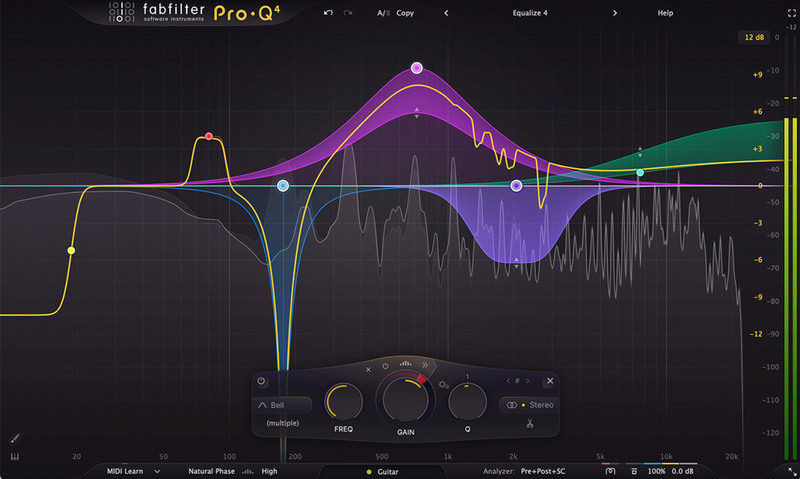
FabFilter Pro Q-4: My main EQ for almost everything. Clean, predictable, and fast to work with. I use it for basic tone-shaping, carving space between instruments, and for dynamic moves when something only needs attention in certain moments. The new Natural Phase mode and the per-band mid/side options are genuinely useful, not gimmicks. If you want an EQ that behaves exactly the way you expect every time, this is the one I keep coming back to. PLEASE NOTE - If you already own Fab Filter Plugins you may have a deeper discount on their site.
-
(Plugin Boutique | FULL VERSION) - $150
-
(Plugin Boutique | UPGRADE) - $84
-
-
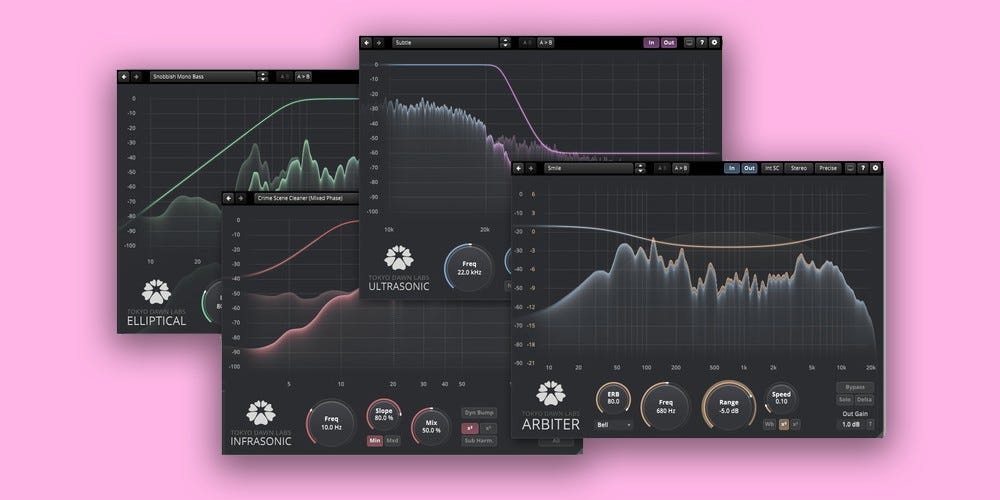
Tokyo Dawn Labs Special Filters Bundle:
-
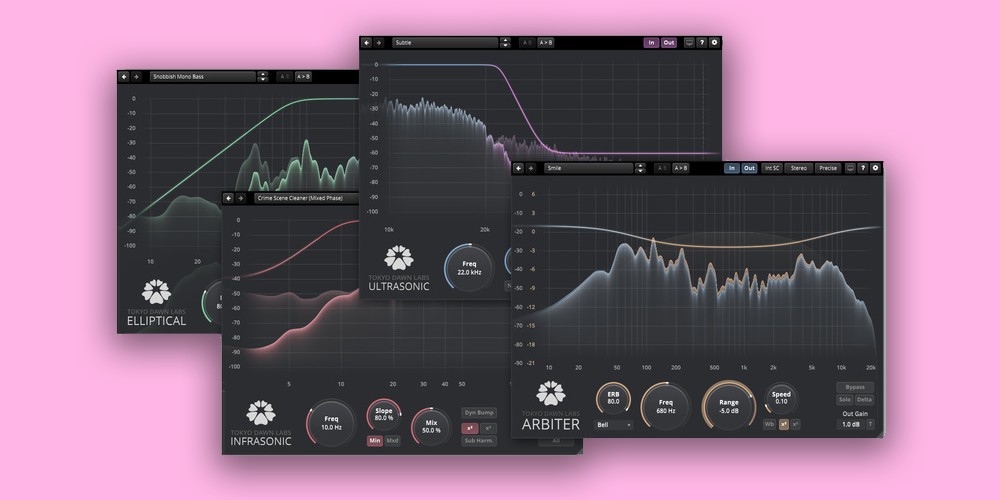
Infrasonic is what I use when the very bottom octave needs control without wrecking the weight of the mix. You can tighten the sub-30Hz area, switch phase modes as needed, and even add back a little perceived low-end energy so it doesn’t feel like you “cut too much.”
Elliptical is my go-to for tidying up low-end stereo information. If a mix has wide subs, kick drift, or unnecessary L/R movement down low, this keeps things tight while preserving impact. It’s way more refined than the old-school “mono the lows” tricks.
Ultrasonic is for high sample-rate sessions where you’ve got nonlinear processing stacking up junk above the audible band. Cleaning that stuff out reduces distortion in the actual audible range. It’s one of those invisible fixes that makes everything a little smoother.
Arbiter is a level-independent balancer that acts almost like a smarter, more predictable de-esser/spectral tamer. Great for sibilance, plosives, or small tonal imbalances without compressing the life out of anything.
Altogether, these are the tools I reach for when I need precision work—quiet fixes that make a master feel cleaner, tighter, and more intentional without calling attention to themselves.
(Plugin Boutique | FULL VERSIONS ) - $50
-
-
Kazrog Plugins:
-
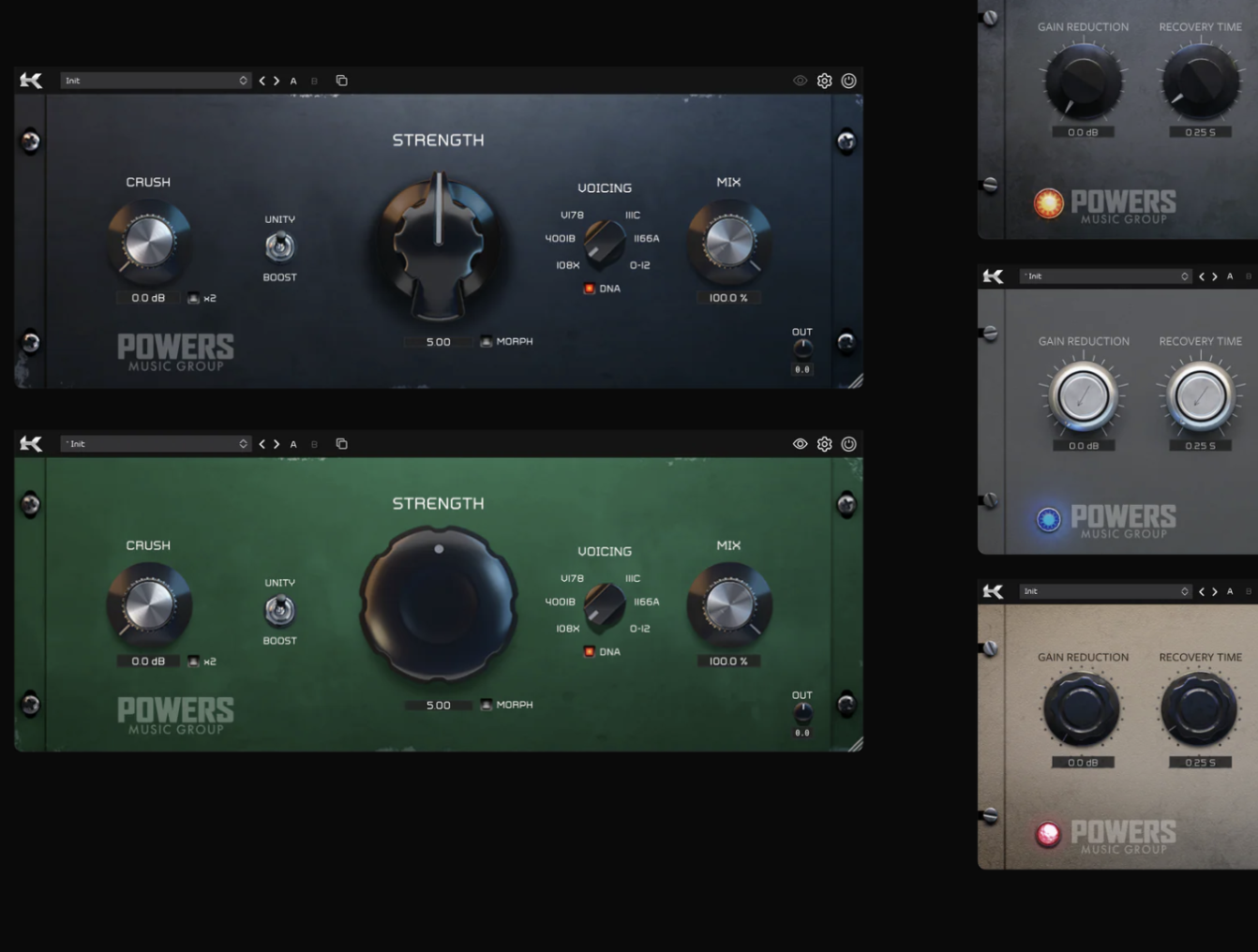
True Iron is my “give this some backbone” button. It adds low-level harmonic structure that tightens the low end and gives the mids a little authority. Great when a mix feels flat or overly polite.
True 252 leans more into tone shaping. It has that clean, high-end console polish without getting harsh, and the top end in particular gets smoother and more expensive-sounding. I’ll use this when a mix needs a lift without EQ getting in the way.
True Dynamics is compression that doesn’t announce itself. It reacts in a very hardware-like way — fast, controlled, and never grabby. Perfect for shaving a couple dB off peaks or adding a little forward movement to the whole mix without hearing “compression.”
I’ll often use one or two of these across the stereo bus in mastering because they stack well and stay honest. You get weight and finish without losing what makes the mix itself work.
(Kazrog Black Friday Deals) - $20 each
-
-
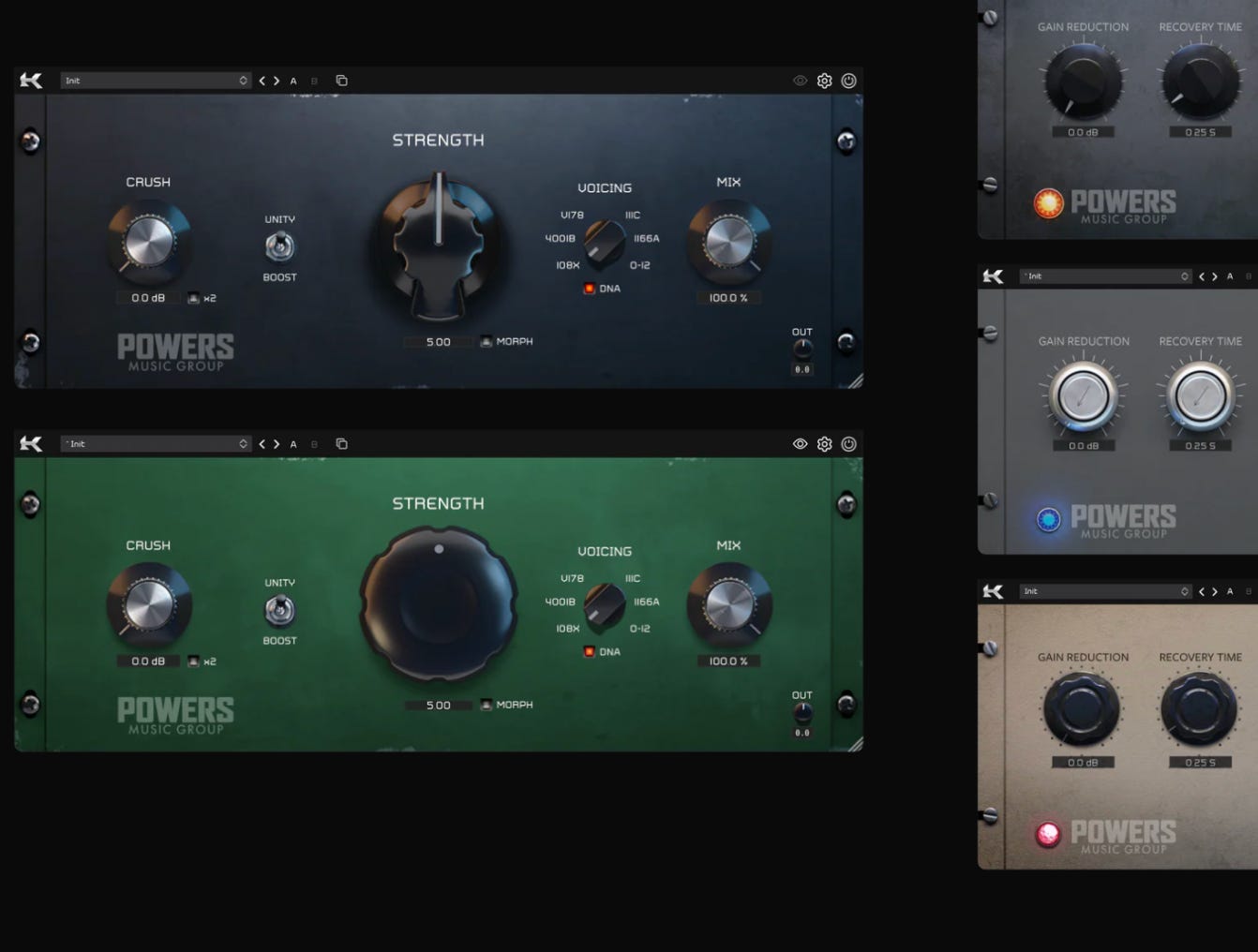
Purafied Audio Everything Bundle:
-
Liquid Death Snare
I use this when a snare needs size, shape, and consistency without replacing it entirely. It lets me blend aggression, body, and room tone in a way that adds impact without washing out the kit. Great for fixing underwhelming close mics or gluing together multi-mic snare recordings.
DEATHWESTERN Amp
A dirty, characterful amp sim that works when guitars need grit and presence that stands out in a dense mix. It’s not trying to be “clean and accurate.” It just sits in a mix the way a mic’d amp does when the part needs bite.
Micro Limiter
One of the fastest ways to get attitude out of drums, bass, and parallel buses. I use it when I want things to sound pushed forward without flattening them. It’s tiny, but it hits hard and adds the right amount of crunch and urgency.
VU Compressor
A workhorse that gives me that reliable, rounded compression you expect from older hardware — smooth grab, predictable release, and a tone that just works on vocals, acoustic guitars, and busses. It’s modern enough to stay clean but still adds thickness. This and the 538 EQ completely replaced Waves CLA and SSL EQ plugins for me.
SLP 538 EQ
A simple EQ that’s surprisingly musical. I’ll use it when a sound needs shaping fast without getting lost in options. The curves are forgiving, and it’s great for getting guitars and vocals to sit right without overthinking the move. Its literally my favorite EQ in the box.
Panda Rooms
One of my favorite tools for adding natural space that doesn’t feel like reverb “FX.” If a vocal or drum kit needs air, depth, or a sense of being in an actual room, this does it without stepping on the source. Remember its ROOMS there are a lot of cool spaces in this plug.
LED Compressor
This one adds punch without getting spiky. I like it on drum rooms, aggressive vocals, and bass lines that need to stay tight. It’s clean enough for general use but still has a forward, in-your-face quality when you push it.
(Purafied Audio) - ONLY $38
-

-

-
Klevgrand Audio
I am relatively new to Klevgrand plugins, but their DAW Cassette I remember getting a lot of use of when it was first released. As opportunities came to try out and buy more of their plugins, I am finding that I fall in love with almost everything I demo from them. Here is a short list of my favorite effects and instruments.
Revolv
Revolv is one of the few reverbs I use when I want a space to feel real instead of an effect. The impulse responses come from actual locations — old churches, ruins, forests, weird little rooms — and they don’t sound like the usual pristine algorithmic verbs. They have texture and imperfections, which makes them sit in a mix in a really natural way. I use it to put vocals or drums somewhere that feels lived-in rather than glossy, or when I want a sense of depth that doesn’t call attention to itself. It’s especially good for ambient guitars, indie rock percussion, and anything that benefits from a believable environment rather than a synthetic tail. There are a LOT of options under the hood so if you demo any of these plugins, this is the one to try first.
Fosfat
Fosfat is one of my favorite drum enhancers because it reacts to the performance instead of just EQ’ing it. It listens to the transient and fills in what’s missing. Sub, snap, attack, or a bit of texture all without sacrificing texture. It’s extremely useful when you get a kick or snare that’s “almost there” but needs help, or when you’re working with loops and want one element to punch harder.
Korvpressor
A really solid “set it and forget it” compressor for shaping energy on drums, guitars, and anything that needs to feel a little more forward. The big macro control actually works — you can move from gentle leveling to more aggressive squeezing without the usual hunt through attack/release/ratio balancing. I use it when I want something to punch harder but still stay smooth and musical. It’s not a surgical tool; it’s a vibe and groove shaper. Great for getting transient-heavy tracks to sit up in the mix without feeling overworked.
OneShot
One of my favorite quick-drum tools for sketching ideas or replacing weak hits. The workflow is dead simple: drag a sample in, shape it, and it just works. I use it when I want to build or reinforce a drum part fast without diving into a full sampler. It’s perfect for layering claps, snares, or kicks under recorded drums to add consistency or energy. The built-in envelopes and filters keep things tight, so you can dial in the exact feel you want without fighting the interface. It’s become part of my regular drum workflow for both writing and mixing. Many of the expansions available are freaking cool as well.
(Klevgrand Shop) - Various prices
-
XLN AUDIO
-
Addictive Drums 2
My go-to when I need playable, mix-ready drums fast. The core kits sit naturally in a track without fighting everything else, and the onboard processing is surprisingly usable if you want to stay inside the plugin. I’ll use it for writing, pre-pro, or even final production when I need something that feels played and not overly “sampled.” The AD Midi Paks are awesome for finding a starting point and are easily editable, even the stock version has plenty to help keep you busy.
-
Addictive Trigger
Same as above, I own all the kit pieces from Addictive Drums 2 so when I need kick, snare, or toms that blend well or completely replace hits, I often reach for this before Slate Trigger 2. One of the easiest drum replacers if you don’t want to fight with sensitivity curves for an hour. It locks onto transients cleanly and stays consistent, which matters when you’re blending samples under real drums. Great for adding weight to kicks or getting cleaner snare definition without rewriting the entire drum sound.
-
Retro Color RC-20
A little noise, a little wobble, a little movement — it’s enough to push things into a more interesting space without overdoing it. I use the stereo effect in Wobble and the Tubes or Air in Distort 99% of the time to beef up sounds or add dimension.
-
XO
A great tool for building drum parts when you want fresh combinations, especially if you do dance music. The sample browser alone is worth the price — it groups sounds by similarity, which makes hunting for “a better kick” way faster. Also useful for reorganizing your own drum library so everything is easier to reach when inspiration hits. I think it gets a bad name from some folks because using it is definitely a workflow choice but I like it and use it often.
(Plugin Boutique) - All XLN Software 50% off
-
Arturia V Collection 11 Pro
$350 is actually pretty amazing for what you get in this package. I use these instruments every day when producing and embellishing arrangements. This is my go-to when I need classic keyboards and synths both modern and vintage. Arturia nails the vibe and behavior of the originals, but the real advantage is the workflow: I love that I can cycle through presets in Analog Lab Pro, and deep dive into the actual synth if I desire. Everything loads quickly, the interfaces make sense, and the sounds sit in a mix without much fighting.
For me, the highlights are:
-
The analog synths — great for pads, basses, and little melodic lines that don’t eat up the whole spectrum. Prophet, Jupiter, and CS-80 all have their own space and attitude.
-
The electric pianos and organs — easy to dial in, reliable, and good enough that I don’t feel like I’m “compromising” when I don’t have access to the real thing.
-
The more experimental instruments — sometimes I just need a texture that doesn’t exist anywhere else, and some of these weird hybrids scratch that itch fast.
I use V Collection the most when I’m building out arrangements or replacing scratch MIDI ideas. It’s a massive toolbox, but it doesn’t feel overwhelming once you know what you tend to reach for. If you produce or write at all, it’s hard not to find something in here that ends up on every record.
(Plugin Boutique) - $349
-
DAW Software
-
Ableton Live
For me, Live is the DAW that makes ideas move fast. I don’t track full bands in it, but when I’m writing, arranging, or building production around an artist’s demo, it keeps everything fluid. The Session View makes it easy to audition ideas without committing too early, and the audio warping is still one of the cleanest and most reliable for tightening up performances. MIDI editing and performance is lovely.On the mixing side, Live’s stock devices are better than people give them credit for — the Utility, EQ Eight, Glue Compressor, and DrumBuss/Saturator get a lot of use. I’ll start shaping sounds here before pushing anything out to hardware or other plugins. It’s also great for building weird FX chains, resampling, and creating textures you couldn’t program in a more traditional DAW. Its can be a notepad for demos or a full force songwriting and performance machine. Still runs like a dream on older hardware too.
If a song needs production polish, rhythmic edits, or experimentation before the “real” mix starts, Live is where I do that work. For me, its Live Suite or nothing but any version of Live is a great place to start.
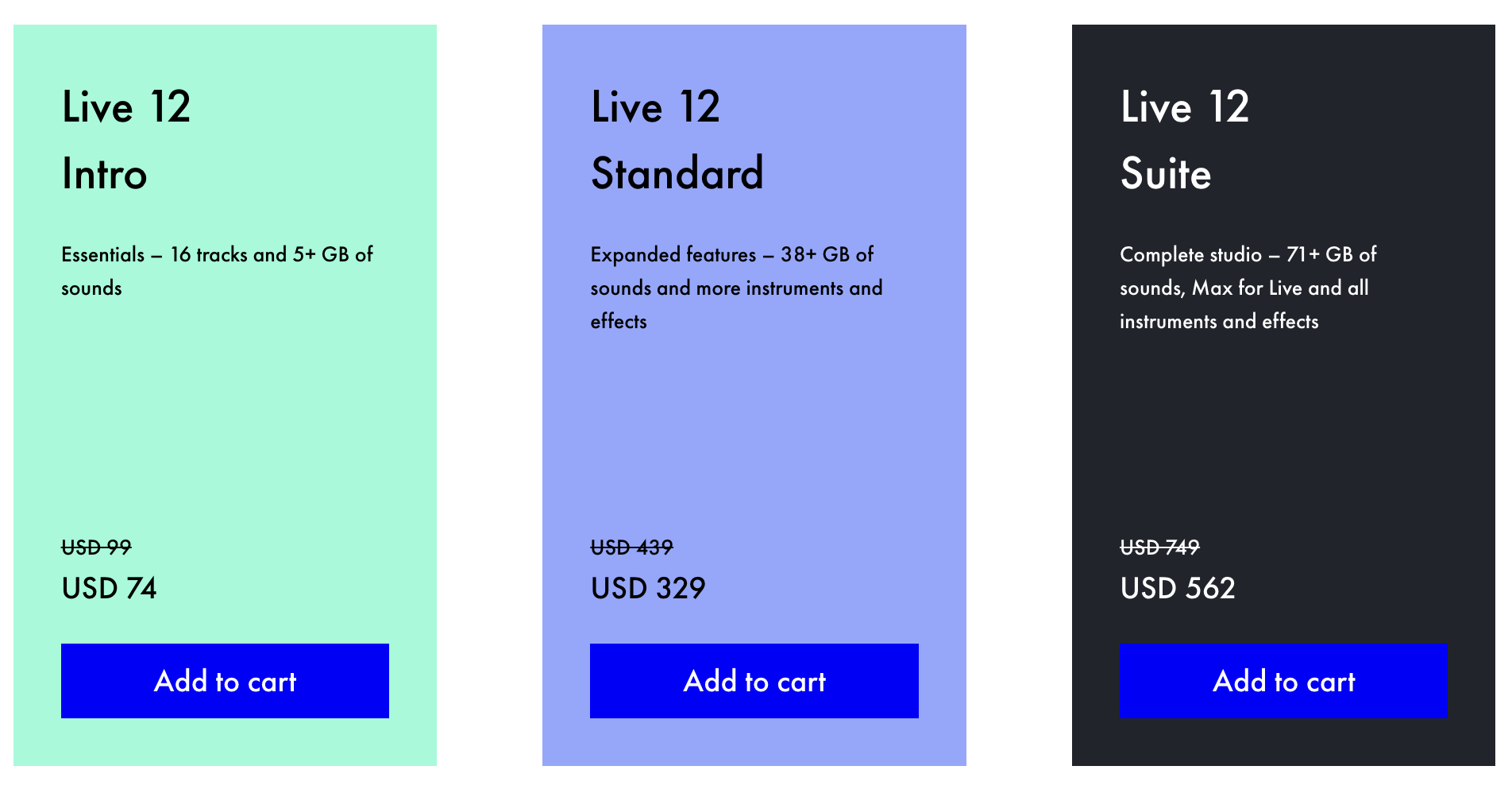
(Ableton Shop) - Prices listed above!
HARDWARE
Slate VSX Headphones
-
I wrote about my initial impressions of VSX a few months ago and now that I’ve spent almost a year with them I can confidently say that any work I need to do - production, mixing, or mastering - I can do them in these headphones. I would get VSX Platinum which includes not only more rooms, but the incredibly useful Human Linear setting. That said THEY ARE NOT FOR EVERYONE, but theres a 30 day money back guarantee so you have nothing to lose.
(Slate VSX Shop) - $349
What did *I* buy on sale this year?
-
Most likely I’ll pick up a couple Kontakt libraries from Wavesfactory
-
I am a big fan of Moog plugins so I had to pick up the Moog Mariana for $40 here.
-
I’ll update this post as I find the best deals (in my opinion).
-
Created Tues Nov 18th at 3pm
-
updated 11/18 at 7pm
-
updated 11/19 with new affiliate links
-
updated 11/20 with new software/links
-
